
For seventy years, right from its first weekend, ITV has been home to big entertainment…
 For seven decades, ITV has been synonymous with big Saturday and Sunday night entertainment.
From dazzling variety shows in the 1950s to the global talent formats of the 21st century, the network has always known that weekends are when families gather, expectations rise, and television history is made.
To mark 70 years of ITV, we look back at ten landmark weekend shows that captured the nation’s imagination.
Sunday Night at the London Palladium (1955–1969/1973-74) – ATV Network
Sunday Night at the London Palladium was one of ITV’s earliest and most influential weekend shows, setting the standard for family entertainment. Broadcast live from London’s iconic theatre, the programme brought variety into millions of homes, mixing music, comedy, dance, and star guests. Bruce Forsyth became its most famous host, guiding viewers through dazzling performances and audience participation segments like the beloved Beat the Clock game.
The show was a cultural phenomenon. From hosting international stars such as Judy Garland and The Beatles to creating iconic television moments, it became a must-watch institution for Sunday evenings.
Its blend of West End glamour, accessible humour, and live spectacle laid the blueprint for ITV’s approach to weekend entertainment for decades to come. Revivals in later years attempted to capture the magic of the original, but the 1950s and 1960s broadcasts remain a cornerstone of British television history.

Saturday Variety (1972) – ATV Network
In 1972, ATV launched Saturday Variety, a live weekend show broadcast from ATV Elstree Centre that aimed to bring the magic of Sunday Night at the London Palladium into a studio setting. Featuring a mix of comedy, music, and variety acts, the programme rotated through an impressive lineup of hosts including Terry Wogan, Leslie Crowther, Barry Crocker, Bob Monkhouse, and Ted Rogers, giving it a lively and unpredictable energy each week.
The show is perhaps best remembered for elevating comedian Larry Grayson to national prominence. His weekly appearances were so popular that they led directly to his own hit series, Shut That Door!, cementing his place in British entertainment history.
While Saturday Variety only ran for a single series, it exemplified ITV’s ambition to capture the spectacle and audience appeal of live variety entertainment and remains notable for launching one of television’s most beloved comic personalities.

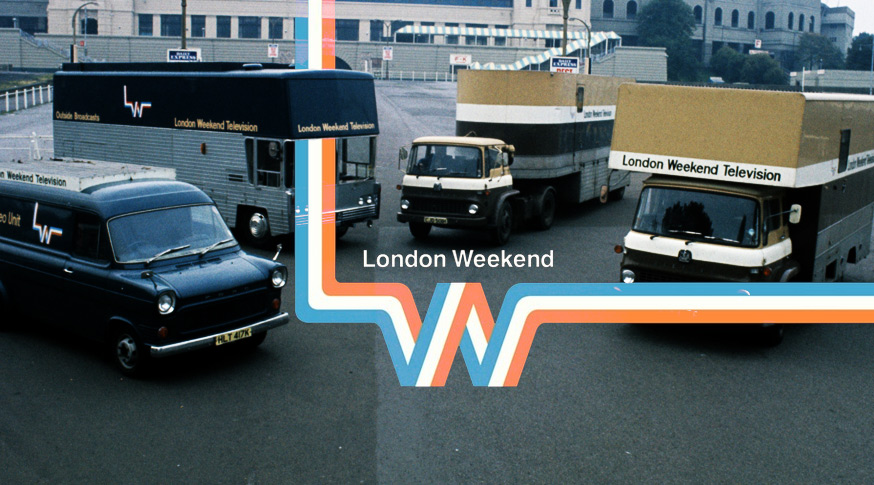
Bruce Forsyth’s Big Night (1978) – London Weekend Television
After leaving the BBC’s The Generation Game, Bruce Forsyth was lured back to ITV with the promise of a spectacular new vehicle — Bruce Forsyth’s Big Night. Billed as the ultimate Saturday night variety show, it attempted to be all things to all viewers, with sketches, celebrity guests, games, musical numbers, and even spin-off mini-series woven into its two-hour running time.
Despite Forsyth’s star power and ITV’s heavy investment, the show struggled to hold audiences, who found its sprawling format uneven. It lasted just one series, remembered more for its ambition than its success.
Yet, Big Night remains an important example of ITV’s determination in the late 1970s to challenge the BBC head-on in the primetime entertainment battle — and a reminder of Forsyth’s enduring appeal as a showman willing to take risks.

Game for a Laugh (1981–1985) – London Weekend Television
When Game for a Laugh burst onto Saturday nights in the early 1980s, it marked a shift in ITV’s approach to weekend entertainment. Hosted by Jeremy Beadle, Matthew Kelly, Henry Kelly, and Sarah Kennedy, the show thrived on cheeky humour, hidden cameras, and audience involvement.
Everyday people were placed at the heart of the action, whether being surprised in pranks, taking part in stunts, or sharing their funniest mishaps on screen.
Its fast-paced format felt fresh and irreverent, capturing the public’s imagination and bringing in millions of viewers. The show’s legacy lived on in later ITV favourites such as Beadle’s About and You’ve Been Framed, which carried forward its mischievous spirit. Though it only ran for a few years, Game for a Laugh is remembered as a pioneer of the light-hearted, prank-driven entertainment that became a fixture of weekend schedules for decades to follow.

Blind Date (1985–2003) – London Weekend Television
Few programmes captured the heart of ITV’s Saturday night audience like Blind Date. Hosted by Cilla Black, it was a deceptively simple concept: one contestant chose a date from three hidden hopefuls by asking a series of cheeky questions, with the audience cheering and laughing along. Once the winning partner was revealed, Cilla sent the couple off on a filmed trip, their return the following week often delivering more comedy than romance.
The show quickly became a ratings juggernaut, drawing families together in front of the television and embedding itself in popular culture. Cilla’s warmth, wit, and catchphrases — “a lorra, lorra laughs” — made her as central to the format as the contestants themselves. While many dates fizzled, some led to long-term relationships and even marriages, adding to the show’s charm.
Running for nearly two decades, Blind Date became a Saturday night institution, remembered fondly for its mix of humour, romance, and Cilla’s unique ability to make everyone — contestants, audience, and viewers at home — feel part of the fun. And, of course, when Cilla wasn’t bringing romance to the box on Saturdays, she’d be making dreams come true with Surprise! Surprise! on Sundays.

The Dame Edna Experience (1987–1989) – London Weekend Television
Fronted by Barry Humphries’ flamboyant alter ego, The Dame Edna Experience was a chat and comedy show that brought ITV a touch of outrageous glamour. Running across a couple of series (and several later one-off specials in a similar theme), it combined celebrity interviews with Dame Edna’s razor-sharp humour, camp theatricality, and audience interaction. Guests ranged from Sean Connery and Charlton Heston to Liza Minnelli and Jane Fonda, all gently skewered by Edna’s barbed questions and mock-grandiose persona.
What made the show unique was its deliberate parody of the chat-show format. Rather than polite conversation, stars were often startled, teased, and occasionally locked in a soundproof “Celebrity Closette” if they displeased their host.
At a time when chat shows were mostly cosy affairs, The Dame Edna Experience stood out for its mix of satire, spectacle, and star power. The series came about following two successful ‘Audience With…’ specials with the housewife megastar.

Stars in Their Eyes (1990–2006) – Granada Television
When Stars in Their Eyes first appeared on ITV in 1990, it offered something completely different for Saturday night television. Rather than relying on celebrities, it gave ordinary members of the public the chance to step into the shoes of their musical heroes. Contestants underwent impressive transformations, walking through the iconic smoke-filled doors after declaring, “Tonight, Matthew, I’m going to be…” Moments later, they emerged styled and costumed as everyone from Frank Sinatra to Madonna, ready to perform live.
Initially hosted by Leslie Crowther and later made iconic by Matthew Kelly, the show struck a balance between lighthearted karaoke and surprisingly high production values. Kelly’s warmth and encouragement made him a reassuring figure, helping nervous contestants deliver the performances of their lives. The format became so popular that it spawned celebrity specials and a junior edition, cementing its reputation as family-friendly entertainment.
At its peak, Stars in Their Eyes attracted huge audiences and became a cultural touchstone, with its catchphrases and dramatic entrances fondly remembered long after the series ended. For many viewers, it embodied the idea that anyone — with enough enthusiasm and a bit of theatrical magic — could step into the spotlight and live out a dream, if only for one night.

Pop Idol (2001–2003) & The X Factor (2004–2018) – Thames Television/Syco/19 Entertainment Inc
The early 2000s marked a new era of ITV weekend entertainment with the arrival of reality talent shows. Taking a once popular weekend format of the 60s and 70s ‘the talent show’ such as Opportunity Knocks (Thames) and New Faces (ATV) with a reality element unseen before, everyday people – some talented, some not (the old shows all featured acts who had some performance experience in clubs or theatre) and a faster, slicker format.
Pop Idol debuted in 2001 and instantly became a national obsession, introducing the public voting system that would become a staple of televised talent competitions. Simon Cowell’s sharp critiques, alongside the charisma of hosts like Ant and Dec, created a compelling mix of drama and aspiration. Will Young’s victory in the first series made headlines, and the show’s format proved a blueprint for modern talent television worldwide.
Building on this momentum, The X Factor launched in 2004 and dominated Saturday nights for over a decade. With a larger scale, more elaborate auditions, and the addition of “bootcamp” and live finals, it offered viewers a rollercoaster of emotions — triumphs, heartbreaks, and the occasional controversy. From Leona Lewis and One Direction to Little Mix, the series created global stars and became an event in itself, with millions tuning in to watch the drama unfold each week.
Together, Pop Idol and The X Factor showcased ITV’s ability to combine star-making ambition, public interaction, and big-scale spectacle, redefining weekend entertainment for the 21st century.

Ant & Dec’s Saturday Night Takeaway (2002–present) – Granada/ITV Studios/Mitre/Lifted Entertainment
Saturday Night Takeaway arrived on ITV in 2002 and quickly became the modern heir to the variety tradition. Hosted by the charismatic double act Ant McPartlin and Declan Donnelly, the show blends comedy sketches, celebrity pranks, audience participation, live games, and musical performances into a two-hour entertainment spectacular.
Its signature segments — including Win the Ads, I’m a Celebrity… Get Out of Me Ear!, and the grand End of the Show Show — keep audiences guessing and engaged from start to finish.
The programme’s appeal lies not just in its format, but in the chemistry between Ant and Dec. Their playful banter, warmth, and rapport with both celebrity guests and everyday participants have made them one of television’s most beloved duos. Across more than two decades, the show has consistently drawn large family audiences, evolved to stay fresh, and reinforced ITV’s reputation for lively, feel-good weekend entertainment. Saturday Night Takeaway has become a cultural institution, blending surprise, spectacle, and humour in a way few other programmes can match.

Dancing on Ice (2006–2014/ 2018–2025) – ITV Studios/Lifted Entertainment
ITV brought glitz, glamour, and a touch of danger to Sunday nights with Dancing on Ice, pairing celebrities with professional figure skaters. Hosted by Phillip Schofield and Holly Willoughby, the show combined elaborate routines, dramatic storytelling, and the occasional spectacular tumble. Contestants ranged from soap stars to athletes and musicians, each learning the demanding sport while entertaining millions at home.
Its appeal went beyond the skating; it was the human drama — triumphs, injuries, and moments of vulnerability — that drew viewers in. After its initial run, the show returned in 2018, proving its enduring popularity and ability to attract both nostalgic audiences and new viewers.
With high production values and a mix of glamour and suspense, Dancing on Ice has remained a staple of ITV’s weekend schedule, showing that competition and spectacle can coexist beautifully.

“From the earliest days of the network, ITV has known that weekend schedules are where the battle for viewers is won or lost. Saturday and Sunday evenings have long been home to big spectacles, family entertainment, and the kind of programmes that shape popular culture.” – TV Critic Vivian Summers
From the glitz of the London Palladium to the surreal spectacle of singing traffic cones in more recent times with The Masked Singer, ITV’s weekends have always been a showcase for bold ideas and big personalities.
For 70 years, the channel has understood that Saturday and Sunday nights are when viewers want to be dazzled, surprised, and entertained together. Whatever comes next, the legacy of ITV weekend entertainment is already woven into the fabric of British popular culture.
