
A new owner for ITV?
ITV’s confirmation that it is in “preliminary discussions” to sell its Media & Entertainment arm — the broadcaster’s free-to-air channels and streaming service ITVX — to Sky, for an enterprise value reported at about £1.6bn, has reopened a long-running debate about the structure and future of public service broadcasting (PSB) in the UK.
The talks, repeatedly described as early-stage by ITV and reported across the press, would not include ITV Studios, the production business behind formats such as Love Island.
Why this matters to PSB
Public service broadcasting in the UK is not a nostalgia project: it is a statutory framework (and a set of expectations) intended to ensure audiences across the country get a broad range of news, children’s, local and civic programming that commercial incentives alone might not deliver.
Ofcom’s periodic reviews have warned that the PSB model is under strain as viewers migrate to global streamers and as advertising — the lifeblood of commercial PSBs — softens. Any transfer of major PSB assets into the hands of a dominant commercial group therefore triggers urgent questions about programme plurality, local news provision and democratic accountability.
A combined Sky–ITV M&E operation would fuse the UK’s biggest subscription broadcaster and a cornerstone commercial PSB. Analysts warn this could concentrate a very large share of the UK television advertising market in one group — a figure of “70% plus” has been quoted by media analyst Ian Whittaker in coverage of the talks, a level that would normally prompt hard competition scrutiny.
But some industry figures now frame consolidation as a defensive response to the existential challenge posed by the global streaming giants: consolidation, they say, may be one way to preserve scale and investment in UK-originated PSB content.

The practical stakes: channels, streaming and regional obligations
If Sky acquired ITV’s M&E division it would gain ITV1 (the network broadcast across England, Wales, Northern Ireland and the Channel Islands), the suite of ITV channels – ITV2, ITV3, ITV4 and ITV Quiz – and the ITVX streaming service — while STV, the Scottish commercial PSB, would remain independent and outside ITV plc’s control.
That distinction matters: STV has frequently acted differently to ITV plc on scheduling and commissioning decisions and retains its own commercial and editorial relationship with Scottish audiences.
Beyond logos and schedules, the sale raises concrete questions: who would commission and fund regional news and quotas set out in PSB licences? Could regulatory conditions be imposed to ring-fence public-interest commitments? Or would commercial logic gradually reshape scheduling, regional spend and commissioning windows? Ofcom’s PSB reviews and licence rules give the regulator levers, but any enforcement — and any long, complex remedies process — would play out against a rapidly shifting market.

A quick history lesson: how ITV became a single company
To understand the cultural weight of this deal you need to go back to how ITV itself evolved.
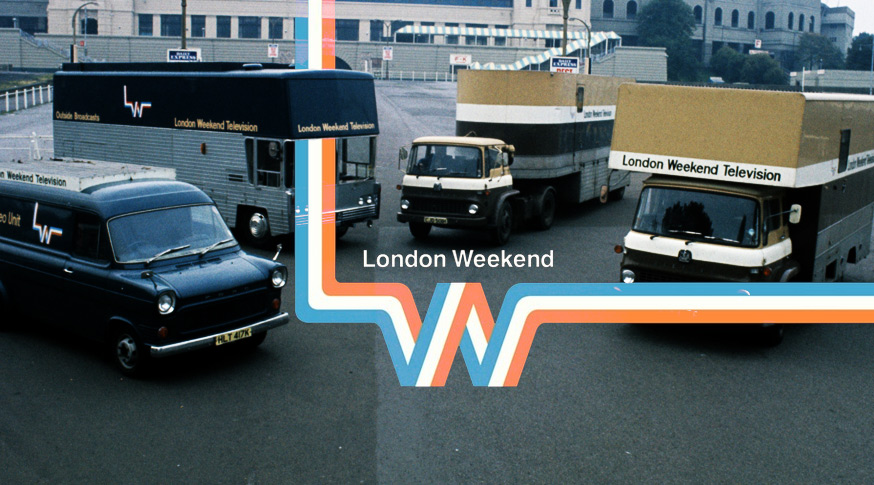
ITV began as a patchwork of regional, independent commercial broadcasters — franchises that produced locally and competed for audiences. Over the 1990s those independent regional companies were gradually consolidated through mergers and acquisitions. The most decisive consolidation came with Granada’s takeover of Carlton and the subsequent creation of ITV plc in 2004, which fused the main England-and-Wales franchises into a single national company and set the template for centralised scheduling, branding and commissioning that we largely see today.
That history is crucial: the modern ITV is the product of decades of commercial aggregation — and the current talks would be another major step in that trajectory.
Regulatory headache (and possible remedies)
A formal bid would almost certainly trigger scrutiny by Ofcom and the Competition and Markets Authority. Regulators would weigh the likely effects on advertising competition, on viewer choice and on the supply of original UK content.
In past mergers, remedies have included behavioural conditions (promises about commissioning and investment) and, in rarer cases, divestments or structural separations. Given the political sensitivity around PSB — and recent Ofcom warnings about the sector’s fragility — any approval process would combine competition law with questions about long-term cultural and civic impact.
What this could mean on the ground
For audiences: short-term disruption is unlikely — big commercial commissioners tend to protect peak schedule hits — but longer-term changes to regional news provision, commissioning of mid-budget UK drama and local programming are possible if commercial priorities shift.
For producers: ITV Studios is excluded from this transaction, but an altered commissioning landscape from the broadcaster could still ripple through indie revenues and commissioning windows.
For advertisers: a combined inventory between Sky and ITV would be immensely powerful, particularly if it tied advertising across linear, on-demand and subscription buckets — and that power is exactly what competition regulators and advertisers will scrutinise.

Conclusion — rescue, consolidation or the start of something else?
The framing matters. Is this an acquisitive power play by Comcast to dominate the UK market — or is it an attempt to secure scale to preserve mass-market commissioning for UK audiences in the face of Netflix, Disney+ and Amazon?
The truth may be both.
Either way, the potential transfer of one of Britain’s most important public-facing broadcasters into the ownership of a major multinational conglomerate will force a national conversation about what we expect from PSB, how we enforce it, and what trade-offs we’re willing to accept to keep a UK creative ecosystem afloat.