
The government has formally launched its once-in-a-decade review of the BBC’s Royal Charter, opening a wide-ranging public consultation on how the broadcaster should be funded, governed and regulated beyond the current Charter period.
Announced by Culture Secretary Lisa Nandy, the Charter Review is intended to “future-proof” the BBC amid rapid changes in how audiences consume content, with viewing continuing to shift away from traditional broadcasting towards online and on-demand platforms.
Nandy said the review was intended to secure the BBC’s place at the heart of national life. “The BBC must remain fiercely independent, accountable and able to command public trust,” she said. “It must reflect the whole of the UK, remain an engine for economic growth and be funded in a way that is sustainable and fair for audiences.”

A Green Paper published today (16 December) sets out the government’s initial thinking and invites responses on reforms designed to ensure the Beeb remains independent, financially sustainable and representative of audiences across the UK.
The Corporation remains a cornerstone of the UK’s creative industries, contributing an estimated £5bn to the economy each year. It is the largest investor in UK television content, employs more than 20,000 people and reaches around 453 million people globally each week through its domestic and international services.
Since the last Charter Review, technological change has significantly altered the media landscape, intensifying competition from global streaming platforms and social media while raising new questions around trust, misinformation and the role of public service broadcasting.
The review is structured around three core objectives: ensuring the BBC commands public trust and remains independent and accountable; securing a sustainable funding model for the long term; and strengthening the Beeb’s role in driving economic growth, skills and jobs across the UK’s nations and regions.
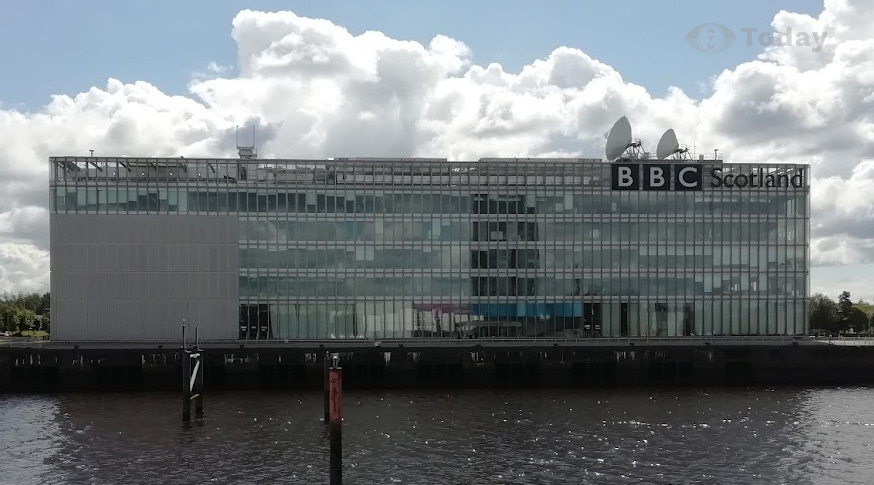
BBC Director-General Tim Davie welcomed the publication of the Green Paper, describing the consultation as a chance to shape the broadcaster’s future.
“At the BBC, we want change, so we can continue to deliver for the UK for generations to come,” he said. “We want to secure a public service BBC that is independent, sustainably funded for the long term, and meets our audiences’ needs.”
Among the options under consideration are reforms to the licence fee, including whether concessions should be updated, and whether the BBC should be able to generate additional commercial revenue.
The government is also consulting on future funding arrangements for the World Service and minority language broadcasting, including S4C.
On governance and editorial standards, proposals include strengthening the BBC’s independence, revisiting the role of government in board appointments, updating the Corporation’s mission and public purposes, and placing greater emphasis on transparency in editorial decision-making.
The Green Paper also explores whether the BBC should take on new responsibilities around countering misinformation and supporting media literacy.

The review additionally considers new obligations on workplace conduct, including enhanced responsibilities for the BBC Board to address misconduct and ensure the organisation sets standards for the wider sector.
In relation to growth and regional impact, the government is seeking views on placing new duties on the BBC to support skills development and the creative economy across the UK, spreading commissioning budgets and decision-making power more evenly beyond London, and increasing collaboration with independent producers, local news outlets and creative organisations.
The proposals were also welcomed by S4C, which receives the majority of its funding via the BBC.
Chief executive Geraint Evans said the review was “crucial” to securing the Welsh-language broadcaster’s future. “Our vision for S4C is more than a TV channel; it is a digital-first service that supports collaboration across the creative sector and a thriving Welsh language,” he said.
Public responses to the Green Paper will inform a White Paper setting out firm policy proposals, expected to be published in 2026.