
As the year draws to a close, the political conversation around Keir Starmer is being shaped less by policy announcements than by questions of longevity.
A difficult twelve months for Labour, marked by internal pressure and an unforgiving public mood, has fuelled speculation about how long the prime minister might remain in office.
That speculation has increasingly spilled beyond Westminster and into the realm of political forecasting, where a 2026 departure is now widely seen as the most likely outcome. While such markets are hardly predictors of events, they do offer a snapshot of sentiment – and right now, that sentiment suggests uncertainty rather than confidence about the long term.
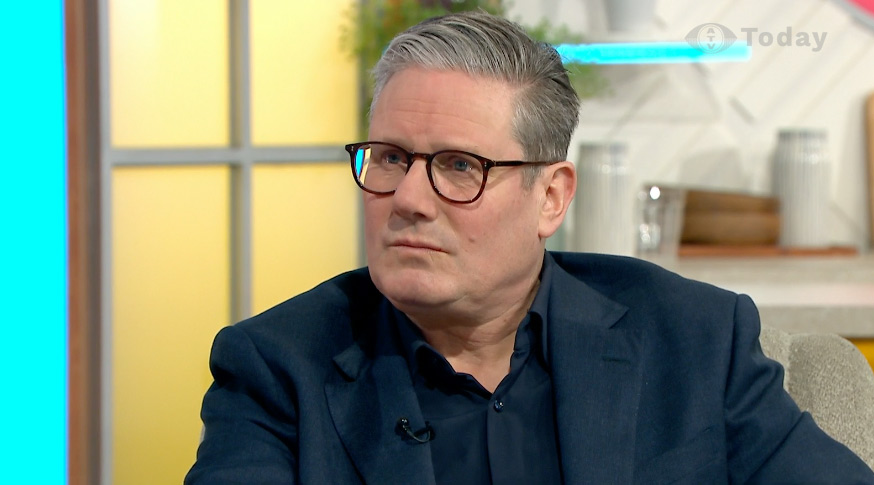
Oddschecker spokesman Chris Rogers:
“A difficult year for the Labour party has seen the pressure ramp up on Keir Starmer. Punters have piled in on the Labour leader to depart from Downing Street in 2026 (4/6) with 93% of bets taken in the last 24 hours favouring a 2026 exit date. The remaining 7% backed a 2027 departure at 4/1.”
The idea that Starmer might leave before the end of the decade reflects the reality of modern British politics, where leadership tenures have grown shorter and patience thinner. Recent history has shown how quickly authority can erode once a leader is perceived to be under sustained pressure, whether from electoral setbacks, internal dissent or an unrelenting media cycle.
A potential exit in 2027 is also being discussed, pointing to a slightly longer runway should Labour stabilise and regroup. By contrast, scenarios in which Starmer remains in Downing Street well into the next parliament appear to attract far less belief, reinforcing the sense that the coming years will be decisive.

None of this, of course, amounts to a forecast of what will happen. Political betting markets reflect mood as much as reality, capturing anxiety, frustration and expectation rather than inside knowledge.
But the scale of interest in the question of Starmer’s future speaks volumes about the fragile state of political trust and the heightened scrutiny facing any leader in the current climate.
For Starmer, the challenge in the year ahead is not merely to survive speculation about exit dates, but to reassert a sense of direction and authority strong enough to quiet it.
Whether he can do so will shape not only his own future, but the tone of British politics as it heads into another period of uncertainty.