
The BBC Board has today confirmed that Matt Brittin – the former President of Google EMEA – will become the Corporation’s 18th Director-General on 18 May 2026.
As Director-General, Brittin will serve as the BBC’s chief executive and editor-in-chief, responsible for its creative, editorial and operational leadership in the UK and worldwide.
The Board’s announcement notes that Brittin will immediately begin an onboarding process and introductory meetings, while BBC Director of Nations Rhodri Talfan Davies serves as Interim Director-General until Brittin formally takes up the post. Brittin has indicated he will soon appoint a Deputy Director-General to support him, particularly to cover news and journalistic functions.
BBC Board Chairman Samir Shah praised Brittin’s appointment, saying he brings “deep experience of leading a high-profile and highly-complex organisation through transformation”. Shah emphasised Brittin’s leadership and change-management credentials, noting the fast-changing media market and shifts in audience habits: Brittin has “the skills needed to navigate the organisation through the many changes taking place in the media market and in audience behaviours”.
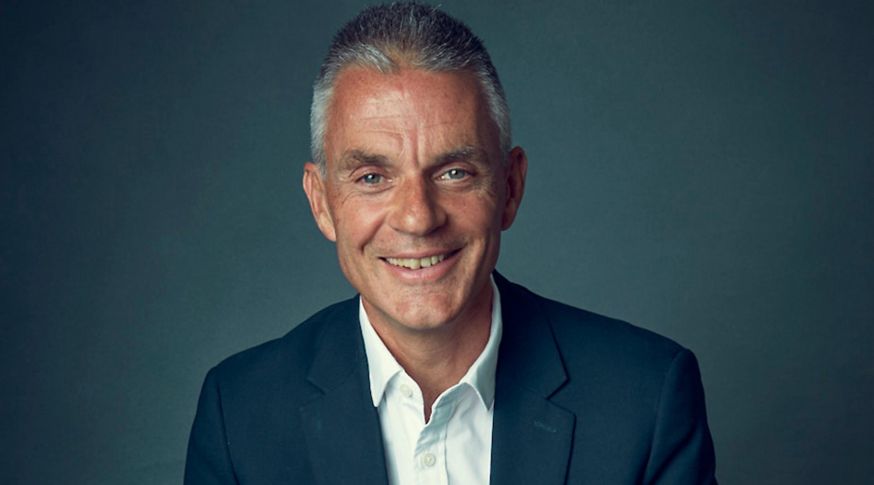
Importantly, Shah also highlighted Brittin’s “passion for the BBC, [and] his understanding of the challenges facing the organisation… and his determination to maintain the BBC’s position as one of the country’s greatest national assets”.
In Brittin’s own words, he is “honoured and excited” to take on the role, joining at what he called “a moment of real risk, yet also real opportunity” for the BBC. He said he will work “to build on [the BBC’s] reach, trust and creative strengths today, confront challenges with courage, and thrive as a public service fit for the future”.
Brittin (57) brings a corporate background to the Beeb. A former management consultant with McKinsey, he joined Google in 2007 and rose through its ranks to become President of Google’s Europe, Middle East and Africa business in 2014.
He stepped down from Google in 2025 after 18 years at the company. Earlier in his career he worked in media and marketing – including a stint as Commercial Director at Trinity Mirror – and he has served on the boards of major organisations (nine years on the board of Sainsbury’s and, more recently, on the Guardian Media Group board). Brittin also has a personal history as an Olympian rower (he represented Team GB at the 1988 Olympics) and was awarded a CBE in 2026 for services to technology and digital skills.
Brittin assumes leadership amid significant scrutiny and organisational pressure. The Government is conducting a review of the BBC’s Royal Charter (due for renewal in 2027), and there is broad agreement among policymakers that the Beeb’s funding model must be reformed. As Shah noted, “it is clear there is need for radical reform of the BBC, its funding model and the framework in which it operates”.
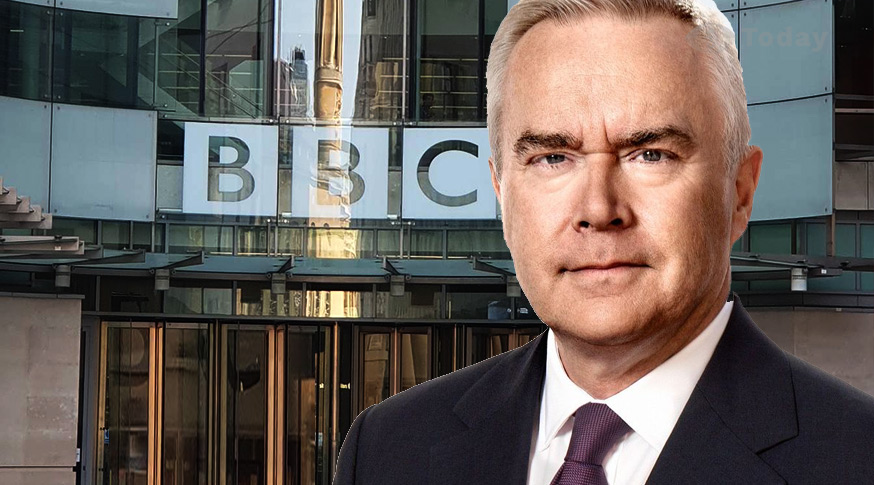
The corporation’s current licence fee revenues have been shrinking – about £3.8 billion in 2024/25 – while commercial income brings total annual revenue to around £5.9 billion. With the Charter’s expiration approaching, Brittin will be responsible for negotiating a new funding settlement – options reportedly include retaining the licence fee, moving toward subscriptions, or incorporating advertising.
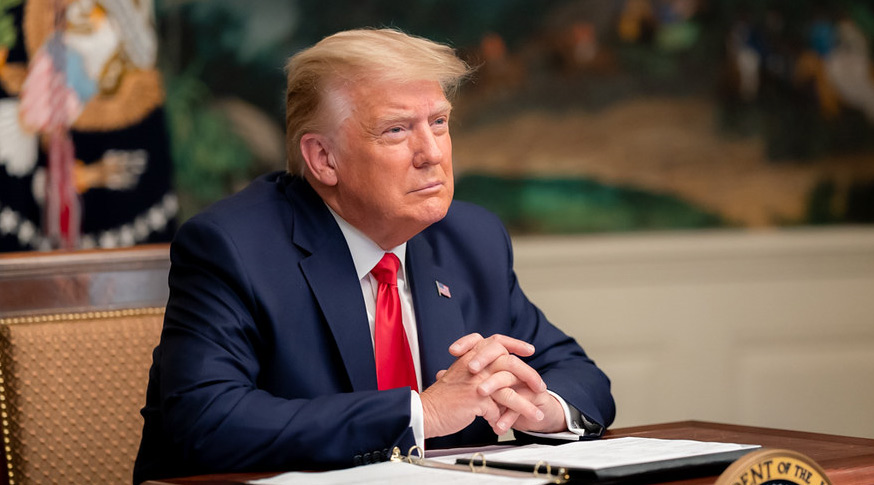
In addition to funding questions, the BBC faces legal and reputational issues. Most notably, former President Donald Trump is suing the corporation for defamation over a misleading edit of his January 6, 2021 speech in a Panorama documentary.
The BBC has been ordered to contest the US$1 billion lawsuit, arguing Trump’s subsequent re-election shows no damage was done. House of Commons Committee reports and media coverage have spotlighted the controversy. Former Director-General Tim Davie resigned in November 2025 (along with BBC News CEO Deborah Turness) amid fallout from that Panorama editing scandal.
Separately, the Beeb has faced criticism from regulators over factual programming: in 2025 Ofcom found that a BBC Two documentary “Gaza: How to Survive a Warzone” was “materially misleading” because it failed to disclose the Palestinian narrator’s family link to Hamas and ordered the broadcaster to make a prominent on-air correction.
Beyond these headline issues, the BBC has weathered wider controversies over editorial standards and impartiality.
In the past year an internal review leaked criticisms that the BBC’s coverage of political and social issues was biased or flawed, prompting heated political debate. The BBC acknowledged shortcomings and apologised for mistakes.
Over 100 journalists employed by BBC News even wrote to management protesting cuts to Gaza coverage, saying they were being forced to “do Israel’s PR”. The board chair Samir Shah has insisted there was no concerted board plot to oust Davie (calling such conspiracy theories “fanciful”), but admits the Corporation must work to rebuild trust.
Observers say Brittin’s first task will be stabilising and modernising the Beeb. His supporters point to his digital and managerial experience; critics note he lacks a journalistic background.
(Indeed, one former BBC board member noted that Brittin will “have to quickly demonstrate a commitment to public service broadcasting and an understanding of the vital part it plays” in the media landscape.) Brittin himself has emphasised the need for “the pace and energy” to keep the BBC “both where stories are, and where audiences are”.
The BBC’s Chairman and government officials have stressed that the board’s decision was made independently.
The Department for Culture, Media and Sport noted the BBC’s “vital role in delivering trusted news and high-quality programming” and said it is right that any new DG appointment be decided by the BBC Board itself.
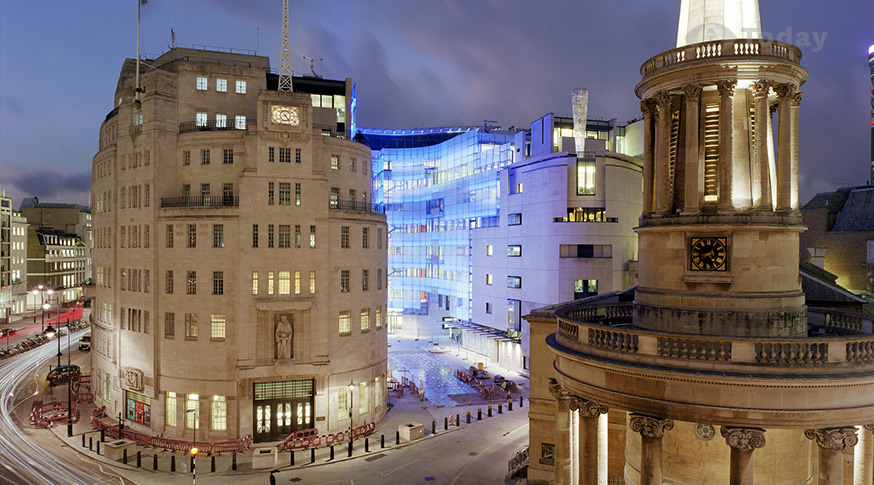
Still, Brittin takes charge in what many call the BBC’s “biggest crisis in decades”: facing political pressure over impartiality, ongoing legal battles, and fast-changing audience habits. As Shah put it, “the stakes for the BBC, and the future of public service broadcasting, have never been higher”. The board “believe[s] Matt is the right person to lead the BBC as it fights for a sustainable future in an uncertain world, for the benefit of audiences and the UK”.
Critics remain watchful. MP Caroline Dinenage, chair of the Commons culture committee, said Brittin “will have a significant job on his hands” and must “keep on top of maintaining editorial standards… vital for public trust in the BBC”.
Brittin’s corporate experience in tech could be an asset in steering digital transformation, but he will also be observed as to how he upholds the BBC’s editorial independence and public service remit.
Matt Brittin’s appointment thus heralds a new era for the corporation. With a senior leader from the tech sector now at the helm, the Beeb will be banking on his leadership through a period of deep reform – from redefining funding to meeting evolving audience needs.
His tenure will be judged on how he addresses the serious challenges the BBC currently faces: from regaining trust after recent controversies to defending the broadcaster’s model in an uncertain political environment.