
Feature-length film promises rare, high-risk insight into the realities of modern warfare
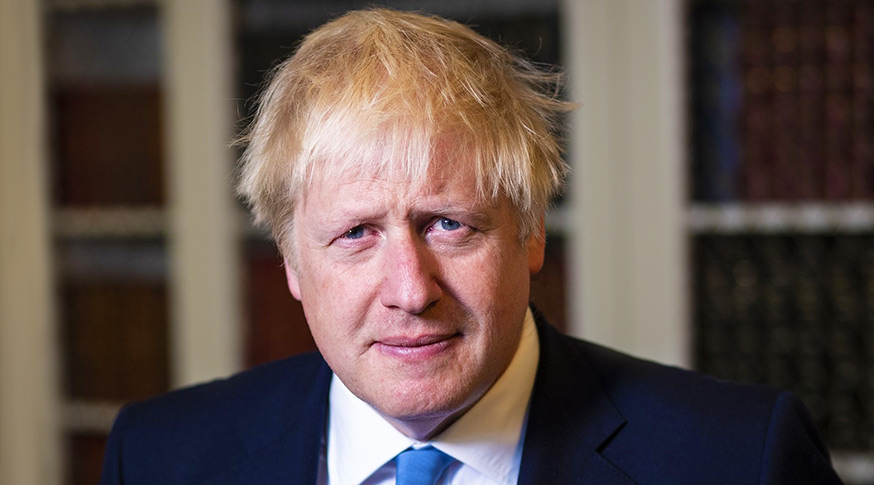
A new 90-minute documentary will see Boris Johnson travel deep into the frontline of the war in Ukraine, offering a stark and immersive look at the realities of the conflict.
Commissioned by 5, Boris Johnson: Into the ‘Kill Zone’ is produced by Soho Studios and Two Rivers Media and follows the former Prime Minister on a covert and highly dangerous journey beyond the relative safety of Kyiv.
Travelling under the radar to avoid drawing attention, Johnson undertakes a 72-hour trip into one of the most volatile areas near Zaporizhzhia, where drone strikes, artillery fire and the intensity of modern warfare replace the distance of political debate.
Embedded with Ukrainian forces, the film captures Johnson witnessing the war up close—visiting devastated villages, a frontline chapel, hidden drone bases and even a makeshift bomb factory concealed within abandoned homes. In one sequence, he shelters in an apartment block under missile attack, while elsewhere he joins mobile gun teams tasked with defending the skies from incoming drones.
The documentary also follows volunteer air defence units in Kyiv, including members of the 112th Territorial Defence Brigade, as they patrol through freezing night shifts using heavy machine guns to track and destroy aerial threats.
For Johnson, the experience marks a shift from statesman to on-the-ground observer. His commentary in the film reflects a more direct and urgent perspective on the conflict, shaped by what he witnesses firsthand.
According to Guy Davies, Consultant Editor for Commissioning at 5, the documentary offers a revealing new angle—showing Johnson not from behind a desk, but in the field, confronting the realities faced by soldiers and civilians alike.
Producers have also highlighted the rarity of such access. Ian Lamarra described the footage as “extremely powerful,” while Alan Clements emphasised the film’s aim to provide a unique and compelling perspective on the war.
Access for the project was secured in collaboration with Richard Pendlebury, an award-winning journalist known for his frontline reporting.