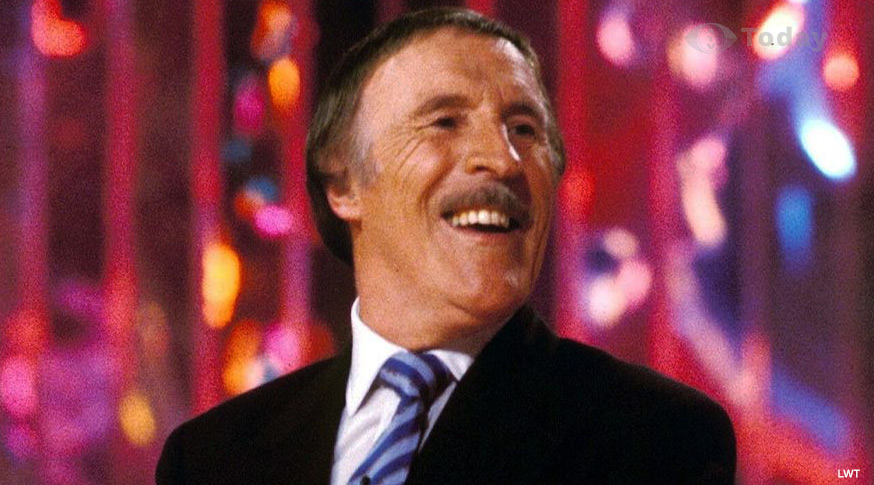
In ITV’s 70th anniversary year we remember when the weekend began on Friday’s with LWT…

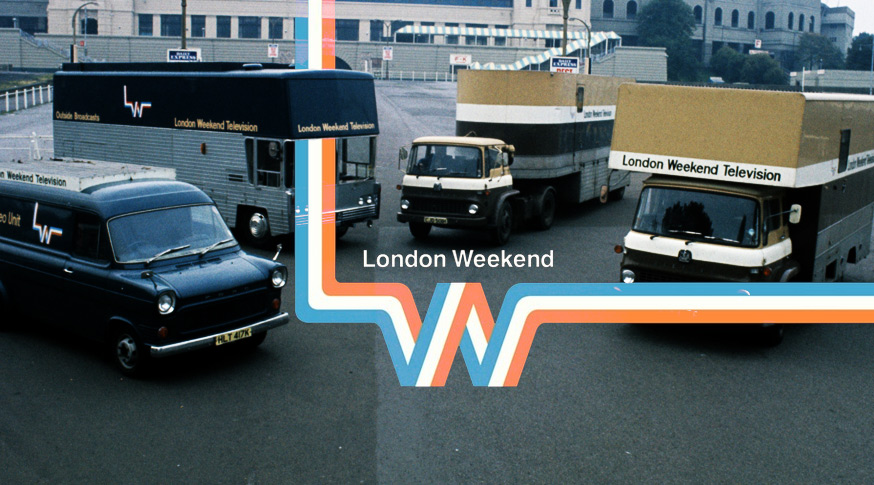
Friday evenings in London once came with a ritual. As the afternoon gave way to the evening, Thames Television would hand over the airwaves, and a new logo — bold, colourful, and unmistakably modern — would glide onto screens: London Weekend Television.
For 34 years, from 1968 until 2002, LWT was more than just a broadcaster. It was a statement: that weekends in the capital should feel different. More daring, more glamorous, more experimental.

The Dream: Frost’s Consortium and the Pilkington Spirit
London Weekend was born from ambition. David Frost, then the sharp young face of satire, brought together a consortium of BBC heavyweights, promising to raise ITV’s game with arts, drama and intelligent programming. The Independent Television Authority, bruised by criticism of ITV’s populism, eagerly backed the bid.
But ideals soon met reality. On opening night in August 1968, technicians walked out on strike within 15 seconds, plunging screens into black. When programming resumed, viewers found avant-garde drama and tributes to Jacques Brel instead of light entertainment. Ratings collapsed. Advertisers fled. Within months, LWT was on the brink of ruin.
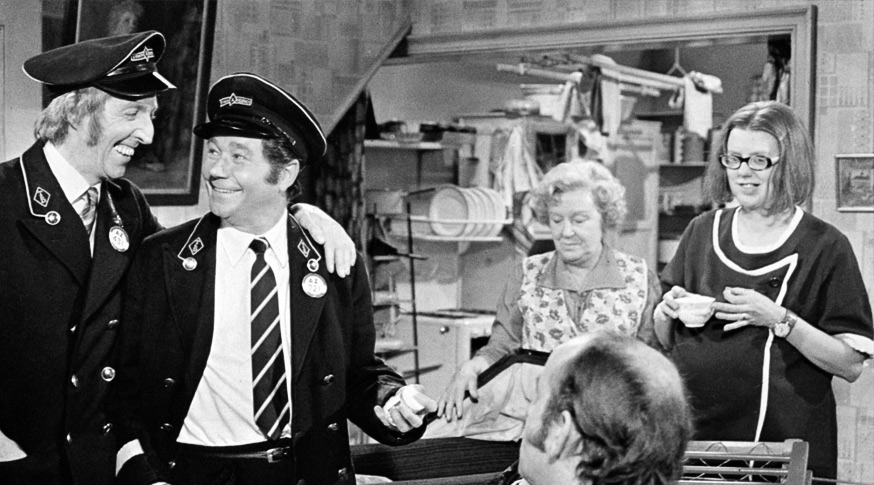
Near Collapse and Reinvention
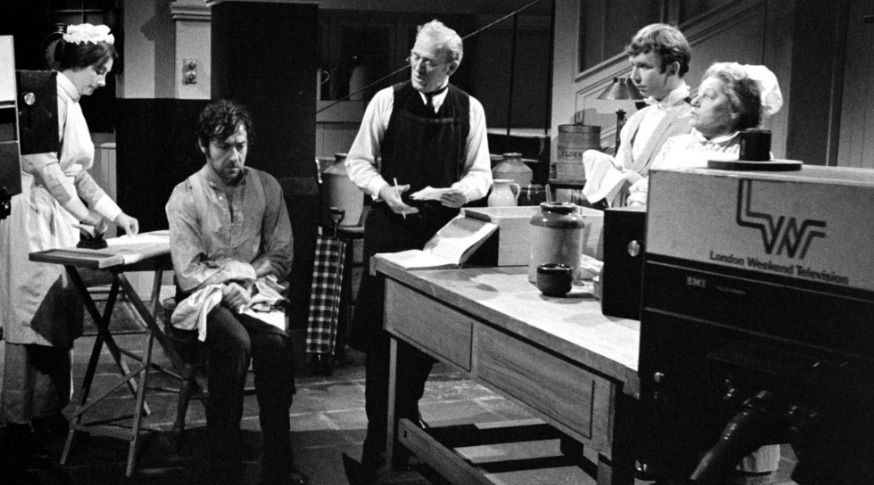
By 1970, Rupert Murdoch had bought heavily into the company, pushing out Frost’s influence and installing populist fare. The ITA intervened, removing Murdoch from control and appointing diplomat John Freeman as chairman. With Cyril Bennett and later Brian Tesler at the helm, LWT found its balance: Upstairs, Downstairs gave it prestige and mass appeal, while Aquarius and The South Bank Show secured its cultural credentials.
By the mid-70s, LWT was thriving. It scooped BAFTAs, found a loyal weekend audience, and became the home of London’s glamour.
The Big Weekend: Entertainment, Sport, and Drama
From the late 70s onwards, LWT defined ITV weekends. Saturday nights brought Bruce Forsyth with Play Your Cards Right, Cilla Black on Surprise Surprise and Blind Date, and light entertainment juggernauts like Game for a Laugh, You Bet! and Barrymore.
Comedy thrived with On the Buses, Please Sir!, Mind Your Language and later, edgy satires like Hot Metal and Whoops Apocalypse. Drama stretched from the gritty (The Gentle Touch) to the glamorous (Lillie, Forever Green) and enduring classics like London’s Burning.
Sport was another weekend anchor. Brian Moore’s The Big Match made Saturday afternoons synonymous with football, Dickie Davies oversaw World of Sport while Saint & Greavsie added wit to analysis.
The 80s and 90s: Dyke, Birt, and Survival
The 1980s brought new challenges. John Birt and later Greg Dyke restructured LWT, cutting costs while sharpening its competitive edge. By the 1990 franchise round, the company relied on quality rather than money. Against rivals who bid five times more, LWT’s Blind Date, Weekend World and The South Bank Show helped it keep its licence.
Thames, its weekday rival, wasn’t so lucky. When Carlton replaced Thames in 1993, LWT suddenly found itself stronger than ever. Carlton and LWT even shared the London News Network, ensuring a seamless seven-day service when it came to regional headlines.
But independence was short-lived. In 1994, Granada launched a hostile takeover. After a bruising battle, LWT was absorbed — one of the last great ITV names to fall.
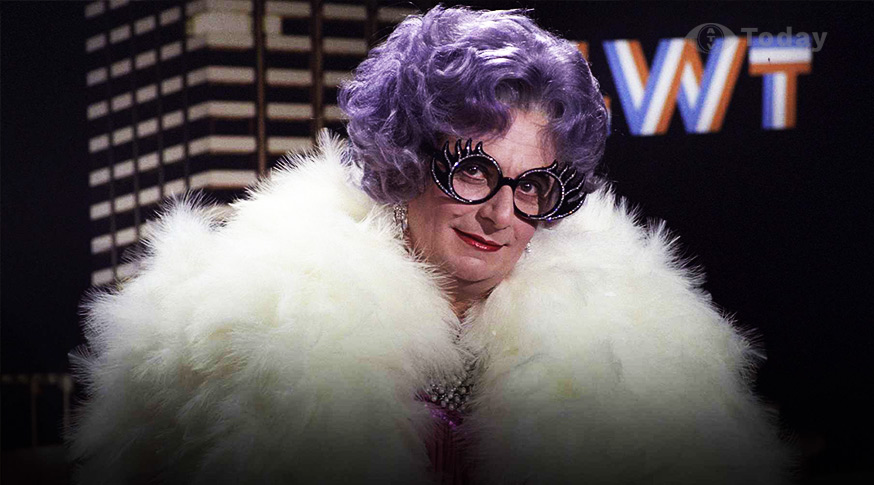
The End of the River
LWT soldiered on into the 1990s and early 2000s, producing Gladiators, My Kind of Music, Popstars and more. Its multicoloured LWT logo was revamped but remained, for a while, a familiar weekend sight. But in October 2002, the LWT name disappeared from screens as ITV1 was launched to bring in a network unified branding.
On its final night, announcers Glen Thompsett and Trish Bertram raised a glass in-vision, bidding farewell to a station that had redefined the weekend.
Legacy
For more than three decades, LWT captured the contradictions of London life: highbrow and populist, glamorous and gritty, political and frivolous. It survived near-collapse, industrial unrest, Rupert Murdoch, fierce rivals, and a changing television landscape.
Above all, it made weekends feel like weekends. Its programmes shaped British television, LWT may be dormant on paper, but in spirit, its river still flows through ITV’s history.