
Households could face penalties for common waste disposal errors, from using unlicensed collectors to leaving unwanted furniture on the street

UK households are being warned that everyday rubbish disposal mistakes could have financial consequences as the government steps up action against waste offences.
The maximum on-the-spot fine for fly-tipping in England is increasing to £5,000, while householders also have a legal duty to take reasonable steps to ensure their waste is passed to an authorised person.
That means paying someone to remove an unwanted sofa, mattress or pile of rubbish does not necessarily end a householder’s responsibility for what happens to the waste.
Miroslav Radov, founder of Rainbow Rubbish Removals, has highlighted several common mistakes households should avoid.
Using a rubbish collector without checking their credentials
Householders should check that anyone collecting their waste is authorised to carry it and keep business details and receipts where possible.
In England, breaching the household waste duty of care can result in a fixed penalty notice of up to £600.
Leaving furniture outside with a “FREE” sign
Putting an unwanted sofa, mattress or other furniture on the pavement with a sign does not automatically make it acceptable.
Households should instead arrange a legitimate collection, use their council’s bulky-waste service or take the item to an authorised facility.

Using somebody else’s skip
An apparently half-empty skip is not a public disposal facility. It belongs to the person or company that hired it, and the type of waste accepted may also be restricted.
Dumping garden waste
Grass cuttings, branches, soil and plants cannot simply be dumped on woodland, verges or other land without permission because they are biodegradable.
Garden waste should be dealt with through an appropriate council or authorised disposal service.
Leaving rubbish beside a full bin
A full public or communal bin does not make the surrounding pavement an extension of the bin. Leaving bags, boxes or bulky items alongside it can create litter, obstruction and vermin problems.
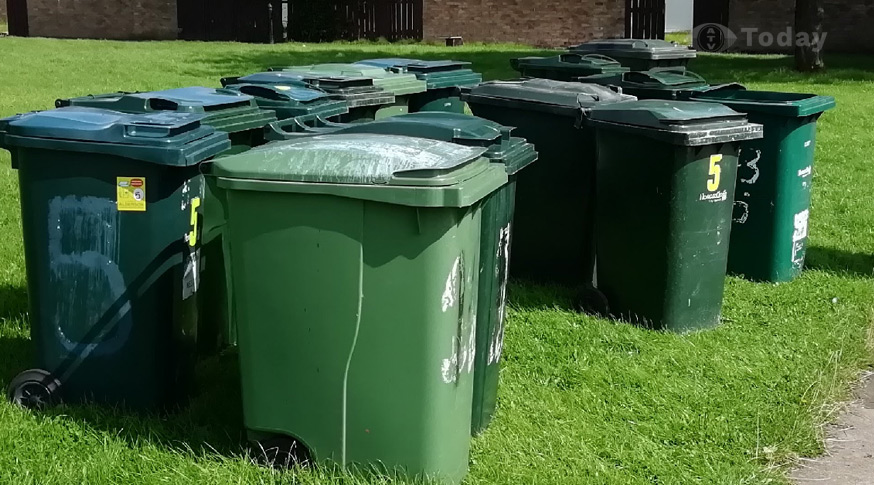
Putting everything into general waste
Some items require specialist disposal, including batteries, electrical equipment, paint and gas cylinders. Lithium batteries can also present a fire risk if damaged or incorrectly disposed of.
Households should check their local authority’s guidance before putting unusual or hazardous items into general rubbish or a skip.
Assuming responsibility ends at the driveway
The biggest potential pitfall is handing waste to someone without checking where it will go.
If rubbish collected from a property is later fly-tipped, the householder may need to demonstrate that they took reasonable steps to ensure it was given to an authorised waste carrier.
The warning comes as the government increases enforcement against waste crime in England.
Councils carried out 572,000 fly-tipping enforcement actions during 2024/25, up 8% on the previous year, while 69,000 fixed penalty notices were issued.
Further proposals announced in August could also require fly-tippers to complete up to 20 hours of unpaid clean-up work and contribute towards the cost of removing illegally dumped waste.