
New research finds widespread misconceptions among parents about childhood eye tests, with almost a third unaware that NHS sight tests are free for children
Just 5% of children aged five and under are estimated to have had an eye test in 2025, according to new analysis released to mark World Sight Day.
The figures suggest that as many as 95% of children in the age group did not have their eyes tested last year, despite eye health professionals recommending that children have their first full eye test at around three to four years old.
Among children aged under 16, an estimated 39.7% to 46.1% had an eye test in 2025, meaning up to six in ten may not have been tested.
The figures have prompted the Association of British Dispensing Opticians (ABDO), The College of Optometrists, Boots Opticians and Specsavers to launch a national campaign encouraging parents to prioritise children’s eye health before they start school.
The campaign is also supported by Fight for Sight, FODO, the International Agency for the Prevention of Blindness and the Optical Suppliers Association.
A separate survey of parents and legal guardians of children aged 0–11 found that 29% had never taken their child to an optometrist for a full eye test. By comparison, 90% had taken their child for a routine dental check-up.
Among children who do not wear glasses, 53% have never had a professional eye test, while 30% of parents of children in this group say they have no plans to book one.
There are also widespread misconceptions about when children can have their eyes tested. Some 38% of parents surveyed believe a child needs to be able to read before having an eye test, despite optometrists using age-appropriate techniques to assess both vision and eye health.
Awareness of the benefits of early detection is also limited. Less than half of parents (48%) know that amblyopia, commonly known as a lazy eye or childhood squint, can often be treated successfully when detected before the age of seven or eight. Around 3% of children in the UK develop amblyopia.
Denise Voon, Clinical Advisor at The College of Optometrists, said the ideal age for a child’s first eye test is around three to four.
“NHS funded eye tests are free for all children under the age of 16, and it is a quick and easy routine health check that gives parents peace of mind that their child’s eyes and vision are healthy to support their development during their school years,” she said.
“It’s also important to remember to take children for regular check-ups throughout childhood, usually every 1-2 years, to detect and treat eye conditions that can develop in later childhood years, such as myopia (short-sightedness).”
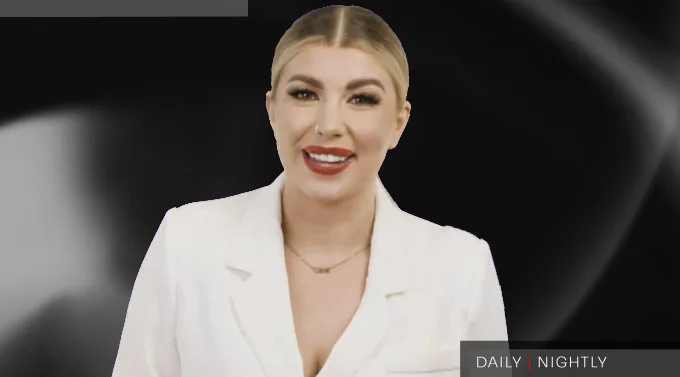
Reality star Olivia Bowen is supporting the campaign after taking her own son for an eye test at the age of three.
She said: “It is so important to prioritise your child’s eye health from a young age, as so many parents don’t realise that squinting and eye issues can be reversed if spotted before the ages of 7/8 – so getting this check in prior to school age is imperative to their learning.
“Also, tests at the optician’s are free for under 16’s on the NHS – so it really is as easy as popping into the dentist or a general doctor’s appointment.”
Awareness of the free NHS provision remains another concern. While 71% of parents correctly know that eye tests are free for children under 16, 29% either believe they cost a reduced or full fee, or are unsure.
Sarah Joyce, Chair at FODO, added that opticians’ practices are widely available in communities across the UK, while NHS-funded eye examinations are available free of charge to children under 16.
The campaign is urging parents not to wait until their child develops an obvious problem before arranging an appointment. Its advice is to book a first full eye test with an optometrist at around three to four years old, followed by regular tests throughout childhood, usually every one to two years.