
From browsing the Radio Times to arguing over what to watch on a Saturday night, television was once a much simpler affair
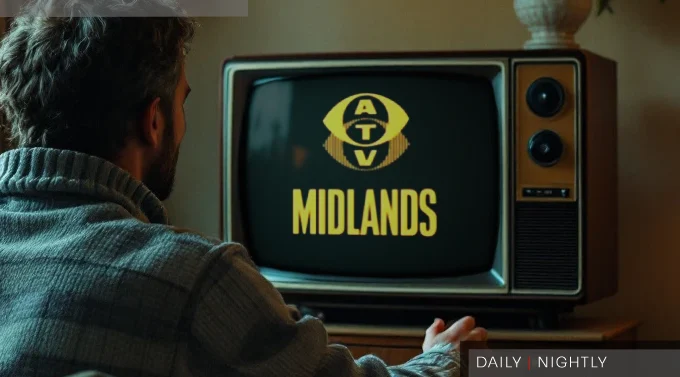
British television viewers are suffering from ‘streaming overload’, with more than half admitting that the sheer volume of content available across channels, apps and streaming services is leaving them feeling overwhelmed.
A new study suggests that, despite the promise of having more choice than ever before, viewers are increasingly frustrated by the modern television landscape – and many are looking back fondly on a time when the TV schedule did the hard work for them.
The findings come from the second annual Upper Third Report, commissioned by Great TV, which examines the nation’s changing viewing habits.
Based on research involving 4,000 UK respondents, the report found that 51% of Brits feel overwhelmed by the amount of content now available. Two-fifths (40%) admit they spend more time deciding what to watch than actually watching something, while 52% say managing multiple streaming services, subscriptions and passwords has become a source of frustration.
And it seems the appetite for a simpler way of life extends well beyond television. Seven in ten respondents said they would welcome a return to simpler times, before smartphones and social media became such dominant parts of everyday life.

The great television divide
Despite the rapid growth of streaming, traditional broadcast television remains a major part of the nation’s viewing habits.
Almost half of those surveyed (47%) watch broadcast television every day, compared with 36% who watch streaming content daily. The average Brit estimates they spend three-and-a-half hours watching television each day.
However, the figures reveal a clear generational divide in how that time is spent.
Only 29% of Generation Z viewers, aged 18 to 30, and 35% of Millennials, aged 31 to 44, watch traditional terrestrial television every day. That compares with 46% of Generation X and 62% of Baby Boomers, aged 62 to 80.
When it comes to streaming, the pattern is reversed. Around two-fifths of Gen Z (43%) and Millennials (44%) watch Netflix or an equivalent service every day, compared with 37% of Gen X and 29% of Baby Boomers.
Interestingly, younger viewers are also among those most likely to feel overwhelmed by the choice available. More than half of Gen Z (56%) and almost two-thirds of Millennials (62%) say they struggle with the sheer volume of programmes on offer.

Comfort viewing and the return of the familiar
Perhaps the most revealing aspect of the research is the continuing appeal of familiar television.
More than half of viewers (57%) say they tend to choose a programme they already know because it is comforting. That figure rises to 62% among Millennials.
Nearly half (47%) would rather settle down with a tried-and-tested classic than take a chance on something new.
It is a reminder that television’s greatest strength is not always the latest must-see drama or the biggest streaming sensation. Sometimes viewers simply want to revisit an old favourite, enjoy a familiar face or watch an episode they know almost by heart.
And there is plenty of evidence that television’s heritage continues to find new audiences. Two-thirds of Millennials (66%), 59% of Gen X and 58% of Gen Z say they still watch programmes originally introduced to them by an older relative.
Meanwhile, 67% of respondents believe television remains a good way to bring different generations together.
Whatever happened to appointment television?
The report also explores one of the biggest changes in television viewing: the move away from scheduled programming towards on-demand and binge-watching.
For many years, knowing that a particular programme was on at a particular time was simply part of everyday life. Whether it was tuning in for The X-Files on BBC Two at 9pm, settling down for a Sunday night drama or making sure nobody missed the latest episode of a favourite soap or serial drama, the television schedule helped organise the nation’s viewing habits.
Today, viewers can watch entire series in one sitting, but the research suggests the old-fashioned approach still has plenty of supporters.
Two-fifths of respondents (40%) prefer programmes airing at regular intervals, while an identical proportion favour the freedom to binge-watch an entire series. The remaining fifth (20%) are undecided.
There is, however, a clear argument for the social value of scheduled television. Some 43% believe programmes broadcast at a set time each week are more ‘talkable’ with friends and family, compared with just 16% who disagree.
More than half (55%) also feel that programmes shown at a set time create more of a shared cultural event than on-demand television.
In other words, it wasn’t just about watching the programme. It was about knowing that millions of other people were watching it too.
The programmes that got Britain talking
And which programmes have generated the most conversation?
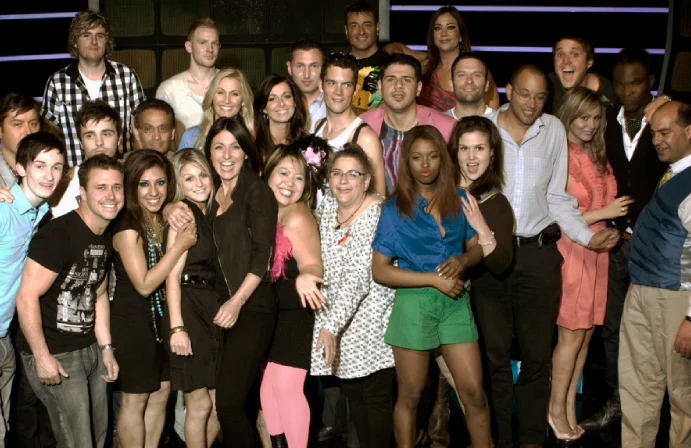
According to the research, Channel 4’s Big Brother tops the list, with 25% of respondents naming it as one of the television shows they have most enjoyed discussing.
Britain’s Got Talent follows on 21%, while Netflix titles Baby Reindeer and Adolescence also scored 21% each.
The top 20 features a mixture of broadcast favourites and streaming hits, demonstrating that both sides of the television divide continue to produce programmes that capture the public’s imagination.
Among the streaming titles making the list are Game of Thrones (17%), Bridgerton (10%), Clarkson’s Farm (10%), Black Mirror (9%), Peaky Blinders (8%), Squid Game (8%) and Stranger Things (8%).
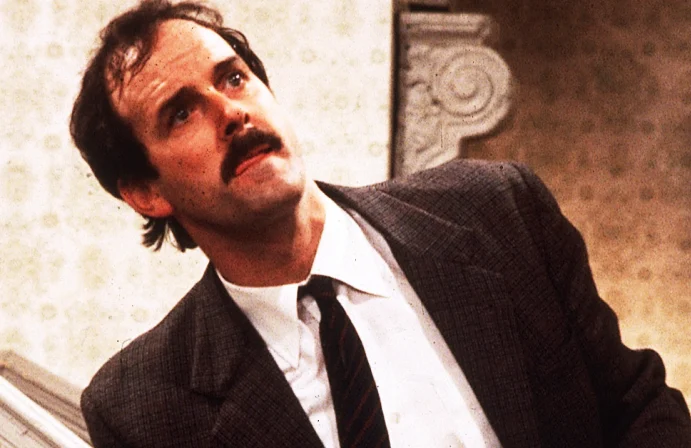
But the classics are still very much in the conversation. Blackadder was named by 16% of respondents, followed by Fawlty Towers (15%), Doctor Who (14%), Blind Date (13%) and I’m a Celebrity… Get Me Out of Here (13%).
It is an eclectic selection, stretching from classic comedy and Saturday-night entertainment to contemporary drama – and proof that a programme’s ability to get people talking does not necessarily depend on which platform it appears on.
Nostalgia is more than just looking backwards
Kate Gartland, Marketing Director at Great, said: “Our new research shows how qualities that may appear old fashioned seem to have very wide appeal in 2026 as pressures mount in everyday life.
“Knowing what you enjoy, returning to trusted favourites, valuing simplicity and making time to watch together – oldies, but definitely goldies.
“When entertainment is built around more platforms, more passwords and more choice, familiarity can feel fresh. Scheduled television can be social. And programmes from the past can keep finding entirely new audiences. That’s nostalgia in action.”
The findings suggest that while streaming has transformed the way Britain watches television, it has not necessarily replaced the pleasures of traditional broadcasting.
Perhaps the real appeal of television was never simply about having the biggest library of programmes at our fingertips. It was about the shared experience – the anticipation of a new episode, the familiar comfort of an old favourite and the conversations that followed.
In an age when viewers can watch almost anything, at almost any time, perhaps the biggest luxury is having someone else decide what’s on.