
Motorists are being warned to prepare their cars for colder conditions, with experts highlighting five key winter driving tips and a seven-point vehicle check that could help prevent accidents and breakdowns
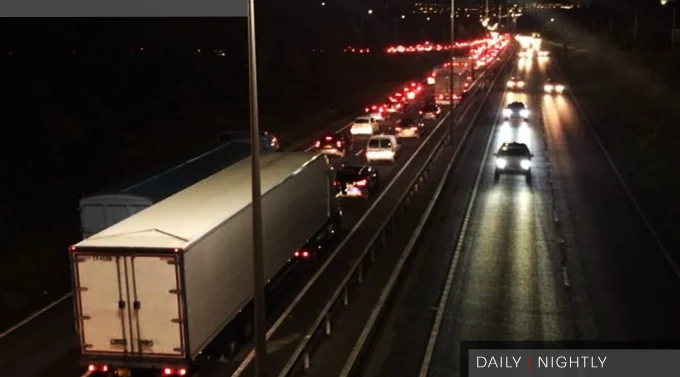
Drivers are being urged to take extra care on the roads as colder, increasingly wintry weather is forecast to arrive across the UK in the coming days.
The Met Office has warned of very cold and unsettled conditions, raising concerns about the additional hazards facing motorists as temperatures drop.
November is also considered one of the most dangerous months on UK roads, with darker evenings, worsening weather and increased traffic all contributing to a higher risk of accidents.
Now, car insurance experts at Zego have issued five essential pieces of advice for drivers, alongside a seven-point vehicle check to help motorists stay safe throughout the winter months.
The first recommendation is to check tyres before setting off. Drivers should make sure their tyres are correctly inflated, have sufficient tread and are free from damage, including cracks and bulges.
The legal minimum tread depth in the UK is 1.6mm, although motorists are encouraged to consider replacing tyres before they reach this limit to maintain grip in challenging conditions.
Zego CEO and co-founder Sten Saar said: “Tyres are the only point of contact between your vehicle and the road, making their condition particularly important when driving in wet, icy or snowy conditions.”
The company also recommends carrying out a seven-point car check before journeys, covering tyres, lights, oil, coolant, screenwash, fuel and the battery.
Cold temperatures can affect battery performance, making it harder to start a vehicle. Drivers should also check fluid levels, use winter-grade screen wash and ensure all lights are working properly.

Motorists are further advised to adapt their speed and driving style to the weather. Wet leaves, standing water, frost, ice and snow can all reduce grip, making sudden braking and steering particularly dangerous.
Saar said drivers should reduce their speed, avoid harsh manoeuvres and leave a greater stopping distance.
The Highway Code warns that stopping distances on wet roads can be at least double those on dry roads, while icy conditions can make them up to ten times greater.
Zego also highlighted telematics data showing that its insured drivers spent 9.4% of their time on roads with speed limits between 20mph and 70mph travelling above the posted limit by some amount, between January 1 and September 27, 2026.
The fourth recommendation is to keep windscreens and windows clear. Drivers should remove all snow, ice and condensation before setting off, rather than simply clearing a small section of the windscreen.
Windscreen wipers should also be checked for wear and replaced if they leave streaks, while screenwash must be suitable for freezing temperatures.
Finally, motorists are being encouraged to allow extra time for journeys. Poor weather can lead to congestion, delays and unexpected hazards, so checking weather and traffic updates before travelling is particularly important.
Rushing to make up lost time can encourage dangerous habits such as speeding, tailgating and risky overtaking.