
Dubrovnik-based brand turns discarded bottle tops into contemporary eyewear – with a circular design that allows old pairs to be recycled into new products
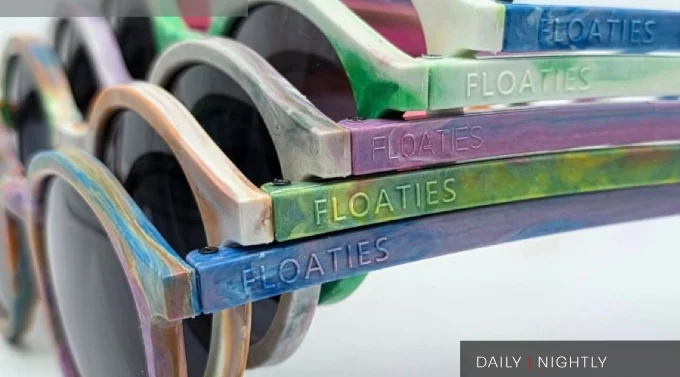
A Croatian eyewear brand making sunglasses from plastic collected around the Adriatic Sea is preparing to expand into international markets.
Floaties, created by Dubrovnik-based non-profit initiative Maritimo Recycling, transforms discarded plastic bottle tops gathered from the sea and local communities into contemporary, design-led sunglasses.
The frames have an unusual feature: they float, just like the material from which they are made.
The brand is now developing five new styles, including a children’s design, as it looks to take its products beyond Croatia.
Floaties is built around a circular approach to design. When a pair of sunglasses reaches the end of its life or becomes damaged, customers can return it so the plastic can be ground down and used to create something new.
The team is also exploring a QR-code system that would allow customers to trace the journey of the recycled plastic used in their sunglasses.
Its philosophy is that sustainability should complement good design rather than be the sole reason to buy a product. The aim is for customers to choose Floaties because the sunglasses look good, feel good and work well, before discovering the environmental story behind them.
Maritimo Recycling combines marine conservation, design and recycling innovation. Alongside organising coastal clean-ups, the initiative is developing small-scale recycling machines to make the process more accessible to local communities.
It is also working on educational experiences to introduce tourists, residents and schoolchildren to the recycling process.
With Dubrovnik’s identity closely connected to the Adriatic, Floaties aims to demonstrate how discarded materials can be given a new purpose through thoughtful design, while raising awareness of the challenges facing the marine environment.