
In our final look around the ITV regional companies to mark 70 years since the launch of the original Independent Television, we’re back in the Midlands – this time at Central…
 When Central Television transmitted onto the airwaves on the morning of New Year’s Day 1982, it marked the start of a bold new era for ITV in the Midlands. Out went ATV – long derided for its lack of regional identity – and in came a fresher, sharper, more locally rooted broadcaster, with the ambition to make its mark both at home and across the world.
Central was born out of reform. The Independent Broadcasting Authority (IBA) had demanded change, frustrated by ATV’s reliance on London and Elstree, rather than Birmingham, Nottingham or the wider Midlands. To win back its licence, ATV was forced into a restructure, shedding its name and reshaping its operations. What emerged was Central Independent Television – a new identity with fresh investment, a promise of stronger local programming, and a glittering new base planned for Nottingham.
From day one, Central had a dual role. On the one hand, it was to serve the Midlands with a deeper, more genuine local connection. On the other, it had to deliver heavyweight programming to the ITV network, filling primetime slots with dramas, entertainment, and current affairs that would stand shoulder-to-shoulder with the best of Granada, Thames, and LWT.


A Midlands Powerhouse
Despite early industrial disputes delaying its promised East Midlands service until late 1983, Central quickly found its feet. Its Birmingham headquarters on Broad Street remained the heart of West Midlands broadcasting, while Nottingham’s Lenton Lane complex – officially opened by the Duke of Edinburgh in 1984 – became the jewel in the crown. The two centres gave Central the clout to rival any ITV company, producing on a scale that the Midlands had not seen before.
Just as importantly, Central took regional news seriously. It introduced Central News East and Central News West, each with its own teams, bulletins, and personalities. By the end of the decade, it even pioneered a third sub-region – Central South – serving Oxfordshire and beyond. For viewers who had long felt ATV looked elsewhere, Central finally reflected their lives back to them.


From Inspector Morse to Spitting Image
If Central succeeded locally, it excelled nationally. Its network contributions became some of the most talked-about programmes of the 1980s and 1990s.
Comedy was one of its sharpest weapons. Central gave the world Spitting Image, the latex-lampooning satirical juggernaut that skewered politicians, royals and celebrities alike, redefining television satire and pulling in millions of viewers on Sunday nights. In lighter tones, game shows like Bullseye, Blockbusters, and Family Fortunes became family favourites, their catchphrases echoing through living rooms nationwide.
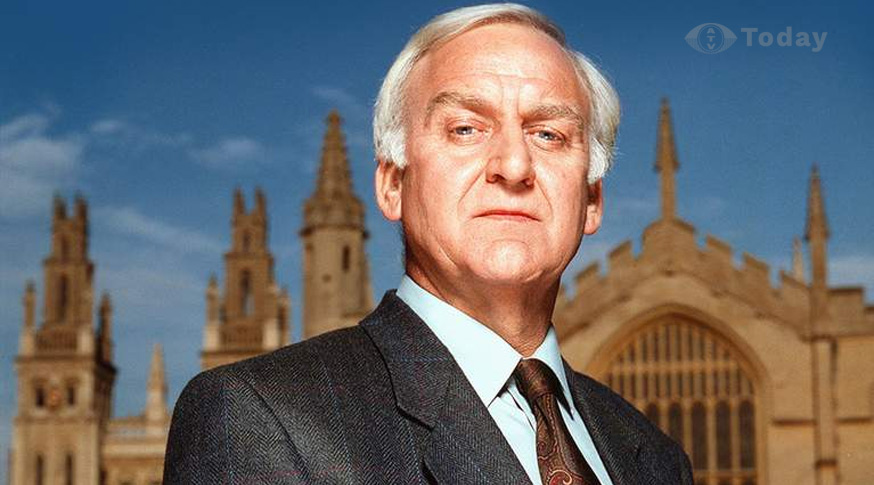
Drama was equally central to Central’s identity. Through its subsidiary Zenith Productions, it brought Inspector Morse to ITV, transforming Colin Dexter’s Oxford detective into one of British television’s most iconic figures. Other dramas ranged from the gritty private investigator series Boon to international co-productions like Legacy of Civilization.

Current affairs, meanwhile, were handled with ambition and edge. The Cook Report became one of Britain’s most influential investigative series, while Central Weekend, the lively late-night debate show, broke new ground in audience participation and became a Midlands institution.
Central also wasn’t afraid of controversy: Ken Loach’s A Question of Leadership, a hard-hitting look at trade unions, was famously pulled from transmission after rows over political bias, sparking a debate about censorship that still resonates.


Innovation and International Reach
Central wasn’t content to simply serve the network. It thought globally. Through Central Television Enterprises (CTE), it built international bureaux in New York, Hamburg and Sydney, selling ITV shows around the world. Its programmes reached over 80 countries, earning two Queen’s Awards for Export in 1987 and 1989.
It was also a pioneer in overnight broadcasting. In 1986, long before 24-hour TV became the norm, Central launched Jobfinder, a simple but hugely successful overnight service listing employment opportunities. It would run for 17 years, win awards, and help thousands of jobseekers – a small but telling example of how Central thought differently.
Even in children’s programming, Central left a legacy. It acquired the legendary FilmFair library and invested in Zodiac Entertainment, helping to create and distribute animated series that travelled across the Atlantic. At home, Central played a vital role in coordinating Children’s ITV, becoming a familiar voice for generations of young viewers.


Changing Hands and Identities
Success didn’t shield Central from the storms of ownership. In the 1980s, the company was passed between major investors, from Robert Holmes à Court’s Bell Group to Carlton Communications, which eventually took full control in 1994. With Carlton came rationalisation: Nottingham’s role diminished, Birmingham’s studios were downsized, and the proud Central name was gradually submerged under the Carlton brand.
By the turn of the millennium, the famous “Cake” logo – seen by viewers for over a decade – had given way to Carlton’s slicker, starry presentation. Then, in 2004, Carlton merged with Granada to form the new ‘one ITV’ with ITV plc. Central, like most of the old ITV companies, became part of a single national broadcaster. By 2006, the Central brand was gone from the screen, surviving only in the regional news title: ITV News Central.


Legacy
Four decades on from its launch, Central’s story is one of ambition, innovation, and identity. It answered the criticisms of ATV by rooting itself firmly in the Midlands, but it also carried the region’s name onto the world stage, with some of ITV’s most successful and talked-about programmes of the late 20th century.
Though today its role is limited to regional news, Central’s golden years remain a reminder of when the Midlands was a true engine room of British television – a place where satire toppled politicians, detectives captured imaginations, and Friday-night debate shows put ordinary voices centre stage.
In celebrating 70 Years of ITV, Central’s two decades at the heart of the network shine brightly: proof that the Midlands could not just hold its own, but lead.

