
They say politics is about power. Gossip Boi has always suspected it’s really about performance. The suits are sharper, the smiles are rehearsed, the loyalties are flexible, and the scandals — well, they simply wear better tailoring.
These days, the drama doesn’t unfold in Soho bars or dimly lit bedrooms. It plays out on digital podiums, behind closed doors, and in carefully staged photo opportunities where no one is ever quite telling the truth.
Once, politicians needed smoke-filled rooms to conspire. Now they have WhatsApp groups.
Remember when scandal used to end careers? When a secret meant something? Now revelations arrive like daily weather reports — expected, absorbed, and quickly forgotten.
Affairs, lies, dodgy donations, questionable friendships — they parade past us in endless headlines, each one more shocking than the last, and yet somehow never shocking enough. Outrage has become routine. Amnesia has become policy.
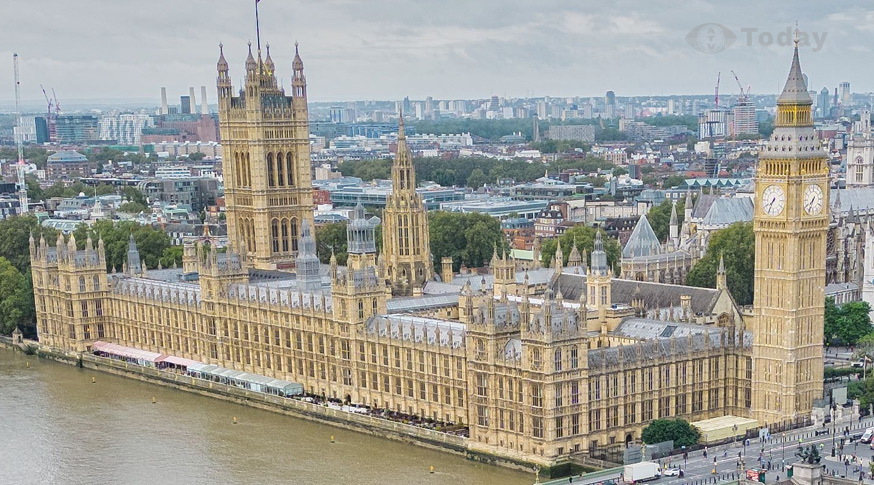
Take Daniel, fictional name of course. Junior adviser. Sharp suit. Sharper ambition. At breakfast he champions “family values.” By lunch he’s leaking against his own department. By evening he’s in a private members’ club whispering promises to someone who will one day deny knowing him. By the time the story breaks, he’s been reshuffled, not removed. Because in politics, falling isn’t the same as failing — it’s merely a change of position.
Politics, Gossip Boi observes, has mastered the art of the almost-confession. The half-apology. The statement that says nothing while pretending to say everything. “Mistakes were made.” “Lessons have been learned.” “I don’t recall.” The language of guilt has been flattened into corporate fog.
And the public? We watch like seasoned spectators. We roll our eyes. We post online. We joke. We share the memes faster than we share the facts. Outrage now has a half-life of hours. By tomorrow there will be another scandal. There is always another scandal.
But this isn’t just theatre. This is the machinery that decides who eats well and who doesn’t. Who is protected and who is expendable. Who feels safe walking home and who learns to look over their shoulder. The danger lies not in the gossip itself, but in how accustomed we’ve become to it.
Gossip Boi, who has spent years watching personal betrayals unfold in miniature, cannot help noticing how closely politics mirrors the smallest dramas of human behaviour.
Ambition dressed as principle. Self-interest softened by fine words. Loyalty offered only while it remains useful. The same stories, simply played out on a larger and far more consequential stage.
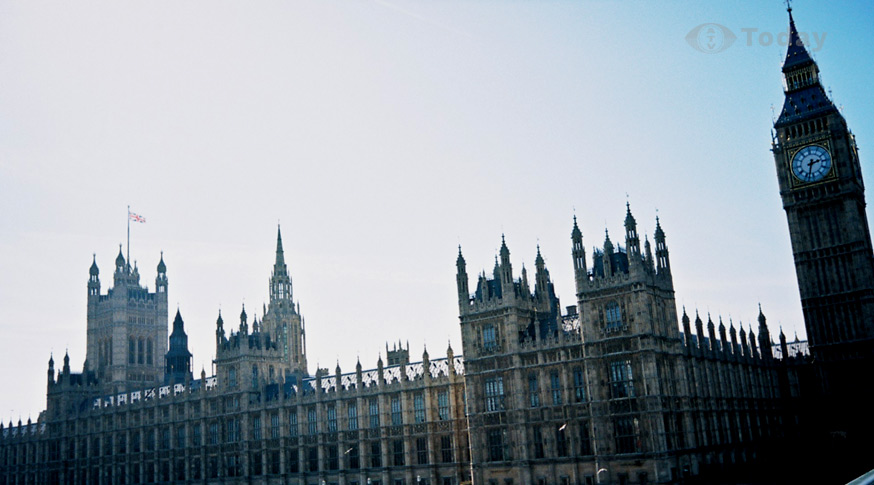
And yet, the appeal remains irresistible. We lean in because we want to believe there is meaning beneath the mess. We want heroes. We want villains.
We want redemption arcs and dramatic downfalls. We consume politics like episodic television — picking our favourites, jeering at the antagonists, bingeing the chaos.
Perhaps that is the most dangerous illusion of all: that this is entertainment.
Because unlike the lovers and liars of Gossip Boi’s usual world, here the collateral damage is not reputations or relationships, but lives. Policies ripple outward. Decisions linger long after the cameras are gone. The joke does not end when the headline fades.
Politics is still gossip, in a way. Secrets traded. Alliances whispered. Power sliding from hand to hand in quiet corridors. But it is gossip with consequence. Gossip with a price.
And so Gossip Boi watches — not from the shadows of a dance floor this time, but from the cold glow of the news feed. Still observing. Still wondering. Still uneasy with how easily scandal now slips past us.
Because without scrutiny… power grows comfortable. And without discomfort… it grows dangerous.