
What betting markets reveal about voter disillusion..
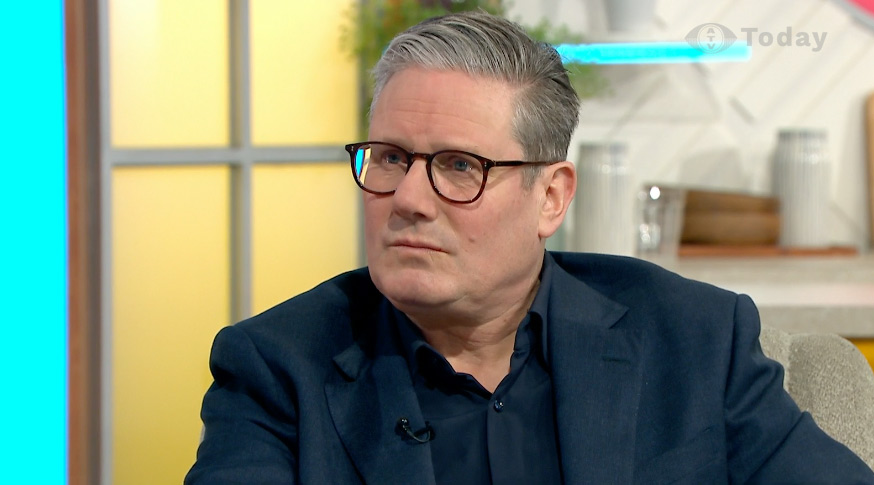
Speculation about Keir Starmer’s political future is gaining momentum, and while betting markets are no substitute for polling, they offer an unfiltered glimpse into public mood — particularly frustration, uncertainty and a growing appetite for alternatives.
On Friday, the betting market for “Next Prime Minister after Keir Starmer” had attracted a surge of interest, reflecting what many analysts already observe: Keir Starmer’s approval ratings continue to slide, and Labour’s time in government has yet to translate into a meaningful recovery in public trust.
The dissatisfaction is not confined to one party or ideology; instead, it appears broadly diffused across the political landscape.

According to odds compiled by Oddschecker, health secretary Wes Streeting currently leads the market at 4/1, implying a 20% chance of eventually replacing Starmer.
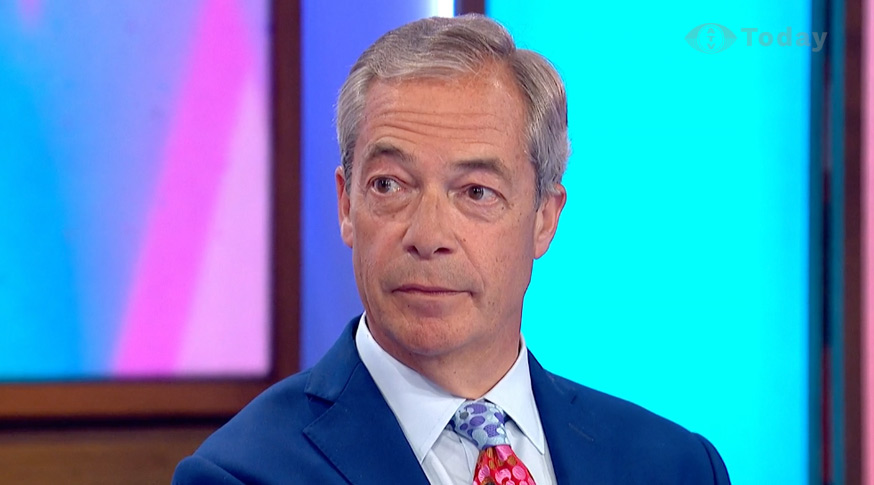
Close behind is Nigel Farage at 6/1, followed by Angela Rayner at 7/1. The spread of names — crossing party lines and political traditions — underscores how fluid and unsettled the moment has become.
Where the data becomes more revealing is in betting behaviour rather than odds alone. Over the 24 hours up to December 12, Farage had attracted 27% of all bets placed, making him the single most backed candidate in that period. Andy Burnham followed with 15%, while Streeting accounts for 12%.
This does not necessarily indicate confidence in Farage becoming prime minister — betting markets often reward disruption over probability — but it does reflect a willingness among punters to back figures who represent a clear break from the current political settlement. In that sense, the support is as much a signal of protest as prediction.
The rest of the field is fragmented. Figures such as Ed Miliband, Yvette Cooper, Shabana Mahmood and Kemi Badenoch all attract modest but notable support, while long-shot candidates collectively draw steady interest. That fragmentation mirrors broader voter sentiment: dissatisfaction is widespread, but consensus on an alternative is elusive.
Chris Rogers, spokesperson for Oddschecker, said the volume of betting itself was telling. “With pressure mounting on the Prime Minister, the ‘Next Prime Minister after Keir Starmer’ market has been popular among bettors…” he said, noting Farage’s dominance in recent backing despite not being the outright favourite.
Historically, such markets tend to thrive during moments of political instability rather than clarity.
They reward uncertainty, speculation and name recognition — particularly when traditional party leadership pipelines appear strained.
They also reflect a public increasingly disengaged from conventional party loyalty, willing to entertain outcomes that would once have seemed implausible.
For Labour, the picture is uncomfortable. While internal succession speculation remains hypothetical, the equal scepticism directed at both governing figures and opposition alternatives suggests a deeper problem: voters appear unconvinced that any single party currently offers a compelling answer to economic pressure, public service strain or political trust.
For now, betting markets remain a curiosity rather than a forecast. But in their volatility and contradiction, they capture something polling alone cannot: a political moment defined less by belief and more by fatigue — and a public still searching for leadership it can genuinely invest in.
Odds sourced from Oddschecker