
As Claudia Winkleman’s chat show is due to air tomorrow a wander down the talk show memory lane…
The BBC is continuing with its long-running love affair with the weekend chat show, this time Claudia Winkleman is giving the showbiz talk a try.
The Claudia Winkleman Show will see the presenter welcome guests from film, television, music and beyond for studio interviews in front of a live audience.
For the very first episode, Claudia is joined by Hollywood giant, Jeff Goldblum, who is best known for starring in Jurassic Park and Wicked but he’s on the couch to talk about his new album, Night Blooms, the latest offering from his band, The Mildred Snitzer Orchestra.
Actress Vanessa Williams, will be talking about her turn in the West End smash hit, The Devil Wears Prada, National Treasure Jennifer Saunders talks about her new film, The Magic Faraway Tree and comedian Tom Allen will be discussing his new book, Common Decency.
The Claudia Winkleman Show will debut at 10.40pm tomorrow, Friday 13 March 2026, on BBC One.

British Chat Shows Through the Years
Tea with Noele Gordon (ATV, 1956–57) was the very first ITV talk show. Hosted by Noele “Nolly” Gordon, it was initially a short filler but became so popular that Gordon stepped back from her producer role to present it full-time.
It even made history with Gordon becoming the first woman to interview a serving Prime Minister (Harold Macmillan in 1958). Tea with Noele Gordon ran for about a year on ITV and paved the way for her later chat series (such as Bachelor Flats in 1960 and the regional celebrity in-depth talk show Midland Profile), establishing her as one of ITV’s top woman presenters in the sixties.
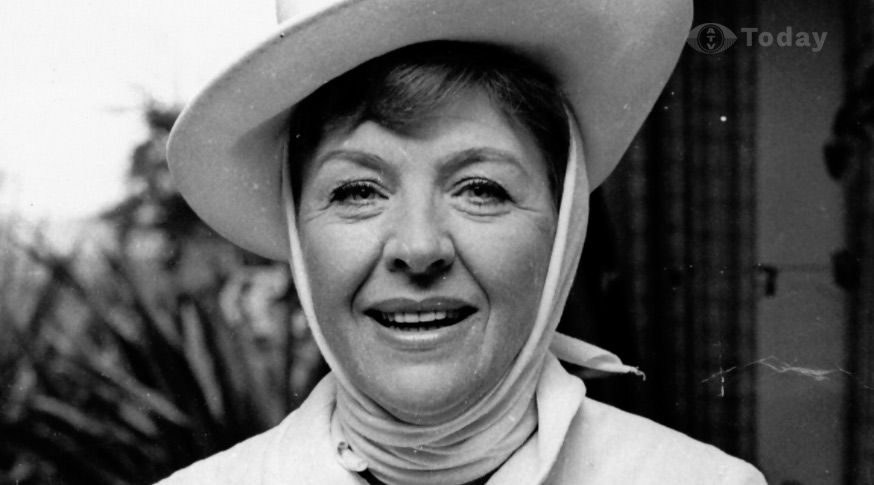
Sunday Sunday (LWT/ITV, 1982–1990) was Gloria Hunniford’s Sunday-afternoon chat show. Piloted in 1982, it ran through most of the 1980s on London Weekend Television. Hunniford’s light-hearted format mixed celebrity guests and entertainment.
After Sunday Sunday, Hunniford went on to front other talk shows – notably the BBC’s daytime series Gloria and later Channel 5’s Open House with Gloria Hunniford (1998–2003).
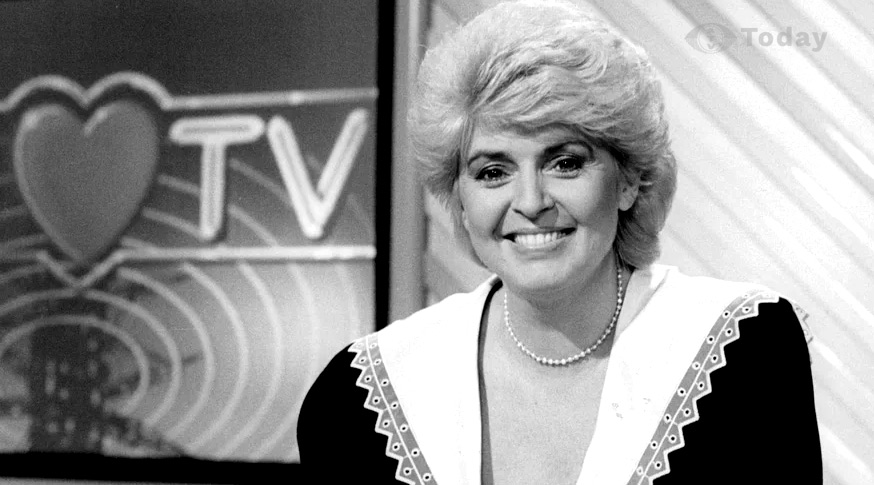
Aspel & Company (ITV, 1984–93) was Michael Aspel’s flagship weekend talk show. Running from June 1984 to June 1993, it aired Saturday evenings on ITV and often featured four or five celebrity guests (plus a musical act) per episode.
Aspel drew some very high-profile names – from Prime Minister Margaret Thatcher to Oliver Reed – the show was a ratings hit. One notorious incident in 1993 (an on-air dispute over a Planet Hollywood advertisement) led to an ITC censure and Michael decided that it was time to hang up his mic. Aspel vowed never to do a chat show again after that, but his nine-year run on Aspel & Company remains a classic example of 1980s ITV chat.

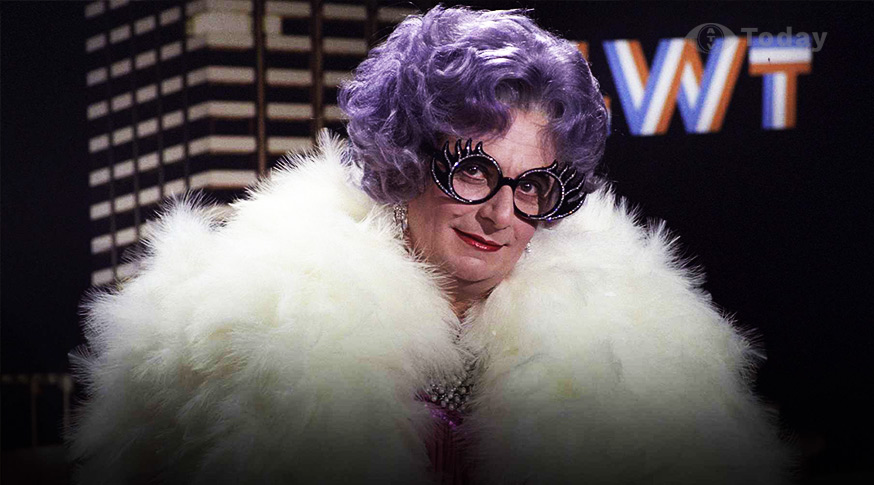
The Dame Edna Experience (ITV, 1987–1989) was a spoof chat show hosted by Dame Edna Everage (Barry Humphries’s outrageous Australian diva).
Dame Edna interviewed real celebrity guests in a lavish studio, mixing flattery with satirical jibes. The show’s trademark was comic stunts – for example, an unsuspecting guest might be triggered to fall through a trap-door during the interview. The first series (1987) was filmed in London, and a second UK series followed in 1989. It made Dame Edna a TV sensation in Britain, showing that even a “spoof chat show” could become a hit by poking fun at the genre.
Frost on… (TV-am/ITV, 1968-1972/1984–1992) was David Frost’s flagship weekend talk show. The series from LWT ran in the late 60s and early 70s and became famous for high-profile interviews with names such as Muhammad Ali, various members of The Beatles, Orson Welles to name just a few. It mixed the celebrity chat with audience debate, including current affairs.
The show was reformatted in the 1980s as a political interview series, starting in September 1984 on ITV’s breakfast station (TV-am) and ran until TV-am lost its franchise in 1992. (Frost then took the format to BBC1 as Breakfast with Frost from 1993.)

The Mrs Merton Show (BBC, 1995–1998) was a comedy chat show starring Caroline Aherne as the pensioner Mrs Dorothy Merton. It ran for three series.
The format was mock-interviews: genuine celebrities sat on Mrs Merton’s couch and answered her seemingly innocent but often cheeky questions. The show became famous for Mrs Merton’s deadpan wit – for example, she once asked Paul Daniels’s wife Debbie McGee, “What first attracted you to the millionaire Paul Daniels?”.

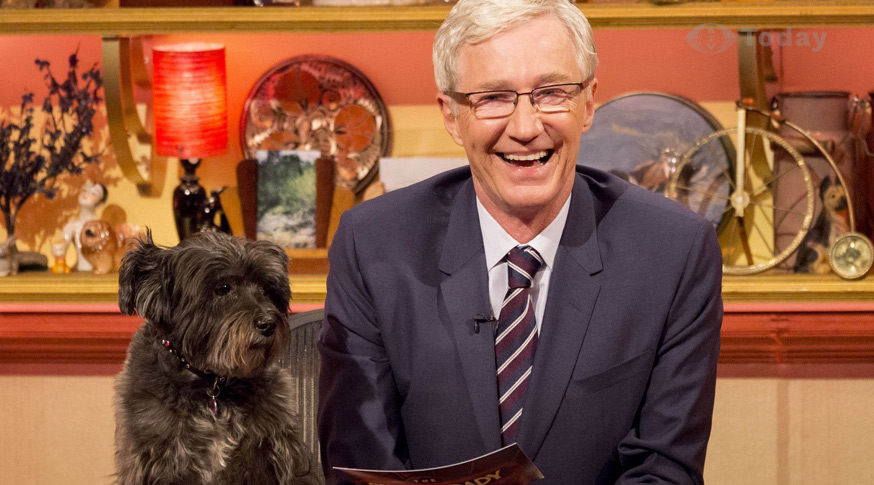
The Paul O’Grady Show (ITV/Channel 4, 2004–2015) was comedian Paul O’Grady’s eponymous chat programme, presented in his own persona (as himself, having “ditched” his drag alter ego Lily Savage).
It debuted on ITV in October 2004 as a weekday teatime show, mixing celebrity interviews, games and music. The series ran on ITV until 2005 and then moved to Channel 4 (2006–2009). After briefly retiring it, O’Grady returned to ITV with a primetime spin-off, Paul O’Grady Live (2010–11), and later revived the daytime format on ITV in 2013 (running until 2015).
Across its runs, The Paul O’Grady Show was known for O’Grady’s warmth with guests and lighthearted tone.
Des O’Connor Tonight (BBC/ITV, 1977–2002) and its predecessors made Des O’Connor one of TV’s longest-running chat hosts. O’Connor first hosted The Des O’Connor Show on ATV/ITV from 1963 to 1973.
He returned in 1977 with Des O’Connor Tonight – initially on BBC2, then on ITV – running through the 1980s and 1990s. In total it spanned nearly 30 years (final specials aired in 2002). His affable style attracted top entertainers, and the series was even syndicated in the US as Kraft Music Hall Presents: The Des O’Connor Show.
(After Des O’Connor Tonight ended, O’Connor continued with ITV daytime in Today with Des and Mel (2002–2006) alongside Melanie Sykes.) Altogether, Des O’Connor’s longevity – from the 1960s variety/chat show to his turn in ITV daytime – marks him as a heavyweight of British TV talk.
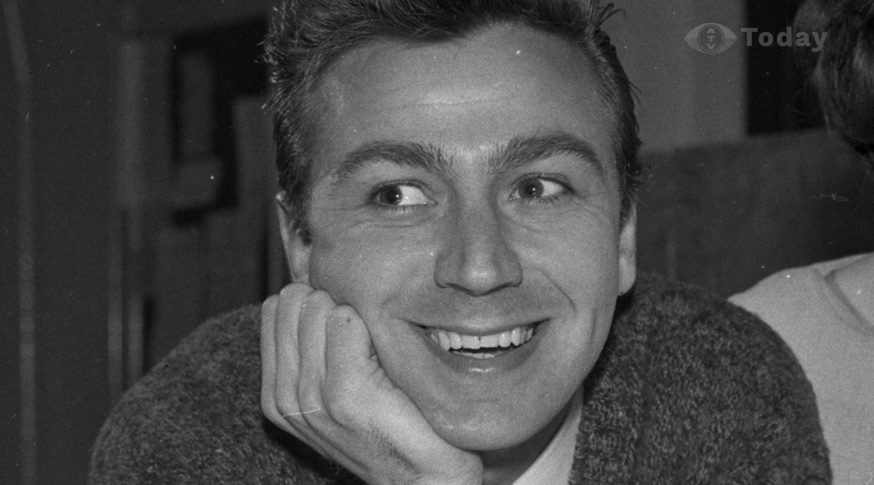
Russell Harty (LWT/BBC, 1972–1988) was a professor-turned-broadcaster who hosted his own talk shows through the 1970s and ’80s. London Weekend gave him Russell Harty Plus (later simply Russell Harty) in 1972 as a direct rival to Parkinson.
This series (on LWT) ran all through the 1970s; Harty later moved to the BBC with Harty (1985–1988), continuing to interview celebrities, authors and public figures. He was known for being informal – sometimes interrupting or joking with guests – and remained on air until his death in 1988.

Michael Parkinson (BBC/ITV, 1971–2007) is arguably Britain’s most famous chat-show host. His series Parkinson began on BBC One in 1971 and ran until 1982, featuring multiple guests on each show. It returned on the BBC from 1998 to 2004, and then moved to ITV from 2004 to 2007.
(He also did two series called Parkinson One to One on ITV in 1987–88.) In total the show ran 31 series and nearly 600 episodes. Parkinson pioneered a relaxed interview format (famously ditching the host’s desk) and conducted some of TV’s most celebrated conversations.
Over nearly four decades, his title became synonymous with celebrity interview – from Rod Hull to Muhammad Ali – and his run across BBC and ITV helped set the standard for later talk shows.

Other Notable Talk-Show Hosts
Bob Monkhouse hosted The Bob Monkhouse Show on the BBC in the mid-1980s. A veteran comedian, he ran three series of this comedy-angled chat show.
It featured stand-up guests and sketches; one notorious stunt had Pamela Stephenson surprise Monkhouse by appearing to “shoot” the set with a prop gun during an interview. The show launched some new comedy talent but was relatively short-lived.
Bruce Forsyth was better known as a gameshow and variety star, but he made one attempt at a chat/variety hybrid: Bruce Forsyth’s Big Night (ITV, 1978). This Saturday-night extravaganza mixed interviews, music, comedy and competitions. It was poorly received and cancelled after just one series. In the 1990s the BBC gave Bruce another chance to chat, but again it was a short-lived venture.
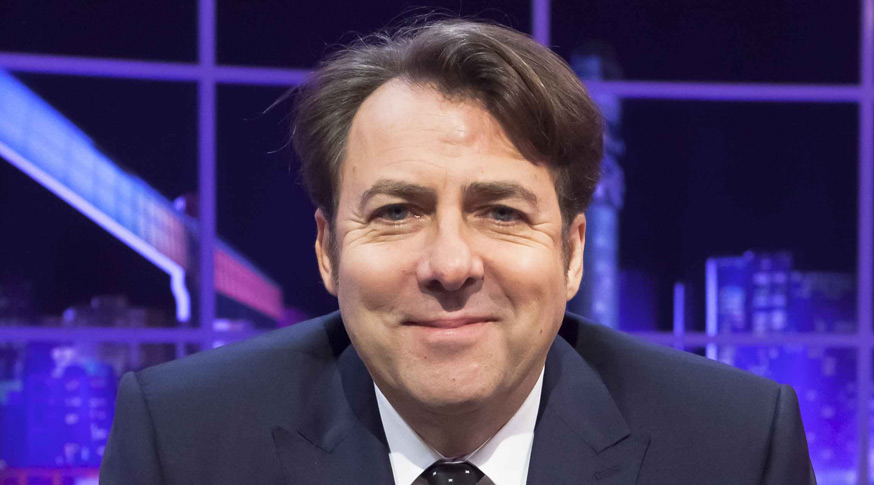
Simon Dee made early history with his BBC show Dee Time (BBC1, 1967–1969). A former pirate-radio DJ, Dee’s hip style and use of audience participation made Dee Time a hit (peaking at ~18 million viewers).
It was one of the first colour talk shows on BBC and turned Dee into a 1960s teen-idol host. However, in 1970 he jumped to ITV (LWT) and the move flopped – Dee’s star faded after that, and he never regained the fame of the Dee Time years.
Jonathan Ross became the UK’s leading talk-show host in the 2000s. He presented Friday Night with Jonathan Ross on BBC One from 2001 until 2010. This fast-paced, irreverent show mixed stand-up monologues, three celebrity interviews and live music; it won multiple awards and ran 18 series.
After leaving the BBC, Ross moved to ITV: in 2011 he launched The Jonathan Ross Show as a Saturday-night talker. Ross had dabbled with chat on Channel 4 prior to all of this on The Last Resort back in the late 1980s.
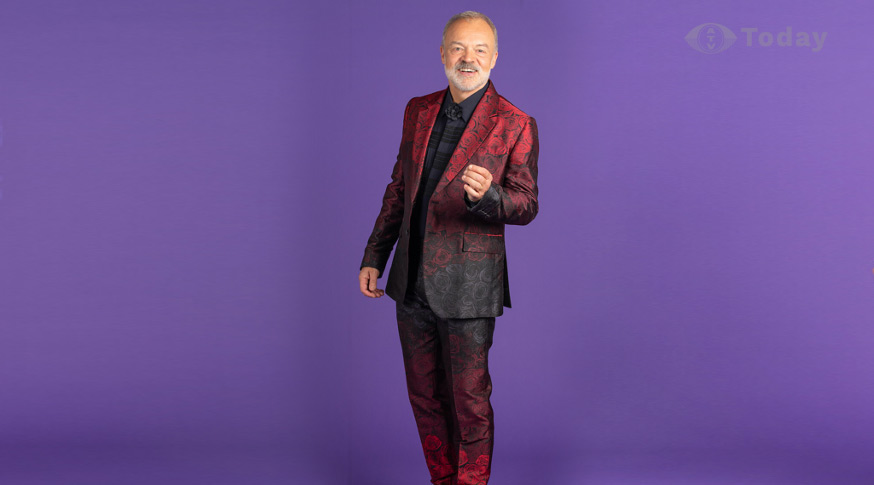
Graham Norton has held the BBC’s coveted Friday-night slot for many years. He began with So Graham Norton on Channel 4 (1998–2002), then launched his flagship The Graham Norton Show on BBC Two in 2007. It moved to BBC One in 2009, taking over Ross’s old Friday slot in 2010.
Norton’s format – blending an opening monologue, celebrity guests and audience banter (the famous multi-seat couch chats) – earned BAFTA awards and hundreds of episodes to his credit.
Clive Anderson hosted his own chat show Clive Anderson Talks Back, which ran for 10 series on Channel 4 from 1989 to 1996. The show then moved to the BBC, with the name changed to Clive Anderson All Talk, running for 4 series from 1996 to 1999. His humour didn’t always land, the Bee Gee’s took offence to being mocked and all three, in tight jeans and high pitches, flounced out.

Terry Wogan hosted BBC1’s Wogan from 1982 until 1992. A popular radio and TV personality, Wogan brought warmth and wit to the evening chat slot – first weekly at the weekend then in 1985 three shows a week. Wogan ran for 12 series and over 1,000 episodes.
After it ended, he tried a late-night spin-off – Terry Wogan’s Friday Night in late 1992 – but it lasted only 20 episodes before being retired. Nevertheless, Terry had no intention to retire and Wogan’s Web a daytime chat show was tried out later, however ran for just the one series.
Richard and Judy. Even the king and queen of daytime ITV tried their hand at primetime chat. First on ITV in the late 1990s with Tonight with Richard and Judy. It didn’t quite prove to be the hit the network expected, but half-an-hour once a week just didn’t give them enough time to really get the chat going.
They had later success in 2001 over on Channel 4 with the simply titled Richard and Judy airing at teatime. It later moved to UKTV and was tried out on a prime time audience – but it failed to rate.
And that’s just touching the surface, there were many others which there just isn’t time for but a quick mention of Derek Batey, Tony Blackburn and Diana Dors who all hosted chat shows on telly in years gone by. Will Claudia be a long runner or another Bruce Forsyth? Time will tell…