
Sixteen years on we take a look at what media changes were correct and what missed the mark…
In a 2010 interview with ATV Today Liberal Democrat culture spokesman Don Foster laid out his vision for British broadcasting.
He praised the BBC as “the best public service broadcaster in the world” but called for greater transparency (NAO audits) and a truly independent regulator replacing the BBC Trust. He warned against any “top-slicing” of the licence fee for other projects.
On Channel 4 he insisted it must not be privatised, arguing it drives innovation. He backed Independent Funded News Consortia (IFNCs) to prop up local news, criticizing Conservatives for “abandoning” regional journalism.
He urged that STV and ITV resolve disputes commercially, not politically, and saw no need to relax UK impartiality rules (citing the poor quality of partisan news like Fox News). He was confident London 2012 would be “on time and on budget,” but warned of a London-centric legacy (noting “two thirds” of contracts in London/South East, falling women’s sports participation, and cuts to tourism funding).
Below we compare each pledge to what actually happened over the next 15 years, highlighting where Foster was right or not:
Related Articles: Ed Vaizey’s 2010 Conservative Party Media Forecast: Hits and Misses | Sion Simon’s 2010 Media Forecast: Hits and Misses – ATV Today
BBC governance and licence fee
Foster praised the BBC as a world-class PSB but called for independent regulation and resisted licence fee top-slicing.
Foster argued the BBC Trust was “inappropriate” and should be replaced by an independent regulator for all PSB.
In fact, following the 2015 Charter Review the Trust was abolished: from 2017 the BBC has a unitary Board and Ofcom took over many regulatory functions. So that part of Foster’s agenda happened (Foster’s coalition colleagues carried it out).
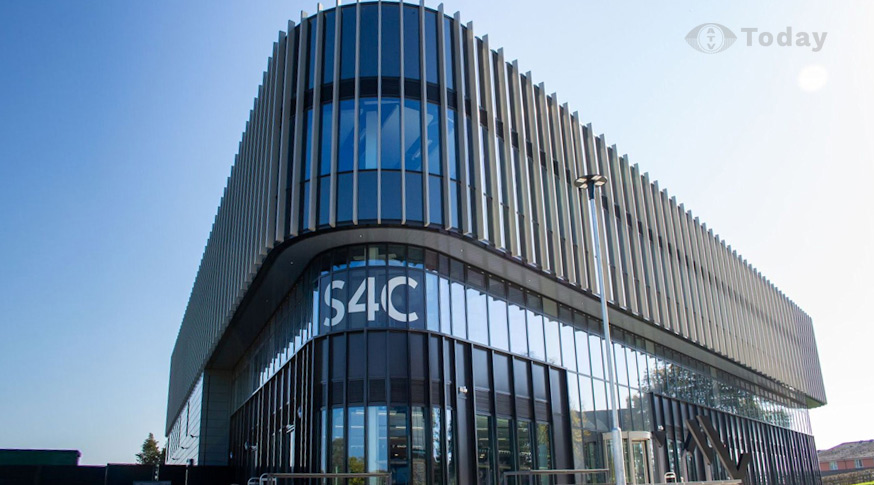
However, his caveat that the BBC must remain independent was undercut: the new Charter mandated the Beeb itself fund the World Service and parts of S4C, effectively “top-slicing” the licence fee to pay for these external services (ironically what he warned against).
On transparency, the BBC now publishes more accounts, but audits by the NAO remain limited. Overall Foster was correct to press for tighter governance – the Trust is gone – but wrong about licence-fee ring-fencing.
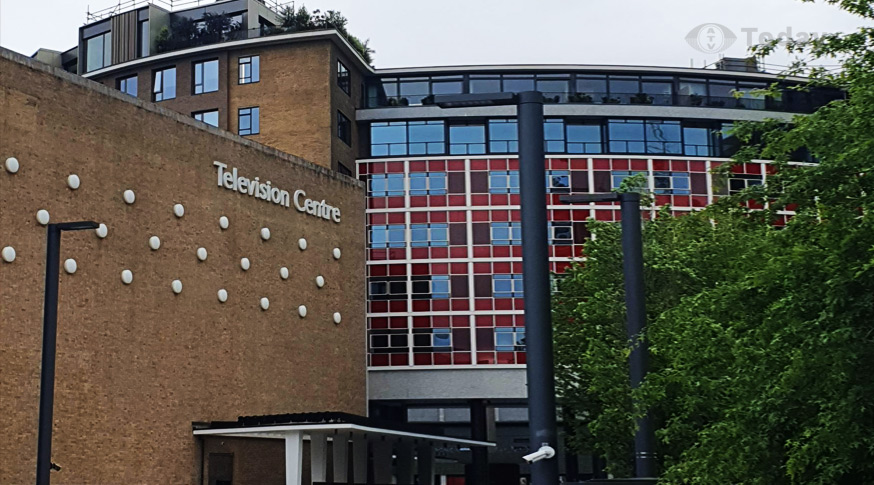
Channel 4 ownership
Foster insisted “privatisation would erode C4’s creative edge.” In 2023 the government confirmed Channel 4 will remain public (with reforms), vindicating his stance.
Foster flatly rejected selling Channel 4. In the years since, Channel 4 remained in public hands. A Conservative government briefly pursued privatisation (2015–22) but abandoned the plan. In January 2023 Culture Minister Michelle Donelan announced Channel 4 “will remain in public ownership”.
Foster’s prediction held: Channel 4 is still publicly owned. His reasoning – that a sale would force short‑termism – proved prescient. (The current setup grants C4 more commercial flexibility, but preserves its public-service remit.)
Local and regional news
Foster strongly backed Lib Dem/Coalition plans for Independently Funded News Consortia to support local journalism. In practice, this was reversed.
Just months after Foster’s interview, new Culture Secretary Jeremy Hunt scrapped the IFNC pilots (announced 8 June 2010). Foster had warned that the Conservatives’ complacency would “risk the jobs of hundreds of journalists.” Indeed, after the 2010 election the IFNC plan was dropped, the licence-fee subsidy cancelled, and cuts followed in regional news (Foster’s fears materialised).
By the mid-2010s many local newspapers had closed or cut staff, and local TV pilots launched in 2013 struggled for viability. (Ofcom later warned most local TV stations were unlikely to survive.) Foster also urged exploring alternative funding (spectrum fees, BBC Worldwide profits, ITV ad revenues).
There was little movement on those ideas: local news remains fragile. On this issue, Foster’s hopes were largely dashed – the rescue plan he championed was abandoned.

STV vs ITV and impartiality
Foster treated the STV/ITV dispute as a private commercial issue and urged no political meddling.
That largely played out: STV eventually settled with ITV in 2011 through negotiation. No government bailout or forced merger occurred. On impartiality, Foster argued Britain should keep strong impartiality rules (citing the strident, unreliable quality of Fox News).
Indeed, nothing changed: UK broadcasters remain bound by strict balance rules. In recent years US-style partisan news entrants (GB News, and Talk TV) have pushed boundaries, but Ofcom has disciplined breaches (Sky showed Fox News content and was fined).
Foster’s faith in British impartiality standards has held true – Fox News itself is not broadcast in the UK, and BBC remain politicians’ target, not vice versa.
London 2012 legacy
Foster was confident the Olympics would be delivered on time. He was right: the Games opened in July 2012 as scheduled.
His larger concern was legacy: he warned that eastern London would suffer without proper investment. In hindsight, many of his warnings were valid. Critics noted the government shifted funding away from legacy promises.
For example, Newham Council later accused ministers of “walking away” from jobs and training targets, citing heavy cuts in the host boroughs. Foster’s claim that the spending on London dwarfed the rest of the UK held some truth: a Guardian analysis showed that while 98% of contracts went to UK firms, the majority of winners were in and around London (only half were outside London).
On sports participation, his remark about falling youth engagement foreshadowed the reality: after 2012 youth sports programs were trimmed and female participation did not jump as hoped. Foster also worried that VisitBritain’s budget was cut.
In 2011 the newly created Department for Culture, Media and Sport did slash tourism marketing funds, hampering Olympic tourism promotion (the agency’s spending was cut by roughly 18% over 2007–2010). In sum, Foster was right to fear an unfairly London-centric legacy and to call for broad planning. While the Games themselves were a success, many promised benefits outside London did not fully materialize.
Timeline: Major UK media events since 2010
- Oct 2010: BBC licence fee frozen until 2017 (real-terms cut) under Coalition; BBC agrees to fund World Service and S4C (effectively “top-slicing”).
- Jun 2010: New Culture Secretary Jeremy Hunt scraps Labour’s news-consortia pilots (IFNCs), ending regional news subsidy.
- Jun 2011: Coalition abolishes all local cross-media ownership rules (deregulating local press/TV/radio mergers).
- Apr 2011: STV and ITV settle their dispute privately (STV pays £18m in royalties); politicians stay out of it.
- 2012: London Olympics held successfully on time. Legacy debate begins as ministers cut regional regeneration budgets.
- 2014–15: Launch of new local TV stations under Ofcom (e.g. London Live); by mid-decade many struggle financially.
- 2017: BBC Royal Charter renews – Trust abolished, unitary BBC Board created; Ofcom takes on BBC regulatory role.
- 2022: Tory government abandons plan to privatise Channel 4 (C4 remains public with new investment plans).
As for Don in 2014 he announced he would stand down as an MP at the following general election. He was created Baron Foster of Bath.
Don Foster Image: © House of Lords / photography by Roger Harris
2 Replies to “Don Foster’s 2010 Media Forecast: Hits and Misses”
Comments are closed.