
Why mould in rental homes isn’t always the landlord’s responsibility
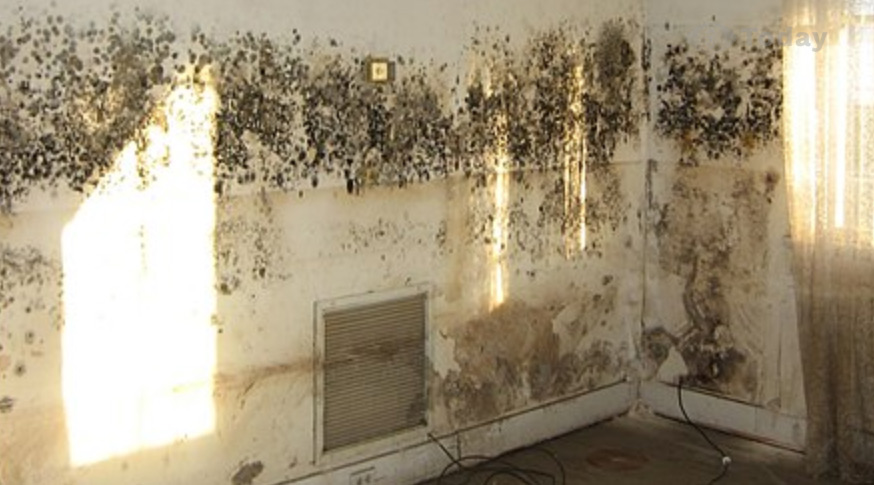
Mould in rental properties is a familiar—and frustrating—problem for many UK tenants. From black spots on ceilings to damp patches behind furniture, it’s an issue that often sparks confusion over one key question: who is actually responsible for fixing it?
According to property litigation expert Laura Albon of Helix Law, the answer isn’t always straightforward. While landlords have clear legal duties, tenants also play an important role in preventing and managing mould.
“Mould issues consistently rank among the most common disputes between landlords and tenants,” she explains. “But there are clear guidelines depending on the cause.”
Under Homes (Fitness for Human Habitation) Act 2018, landlords in England must ensure their properties are safe and suitable to live in—this includes tackling serious damp and mould problems. If the root cause is structural, such as leaking pipes, poor insulation, or rising damp, responsibility sits firmly with the landlord.
These obligations are further reinforced by Landlord and Tenant Act 1985, which requires landlords to maintain the structure and exterior of the property.
Landlords are also expected to respond promptly when mould is reported. Failing to act can lead to serious consequences, including enforcement action, fines, or compensation claims from tenants—particularly if health issues or property damage arise. Ensuring adequate heating and ventilation systems, especially in kitchens and bathrooms, is another key legal requirement.
However, tenants are not off the hook. The law expects renters to use a property in a “tenant-like manner,” which includes managing moisture levels through everyday habits. This means ventilating rooms, using extractor fans, and maintaining consistent heating to prevent condensation.
Tenants must also report mould issues as soon as they appear. Delays can worsen the problem and may even affect liability if further damage could have been avoided. For minor, surface-level mould—often caused by lifestyle factors such as drying clothes indoors—cleaning and upkeep typically fall to the tenant.
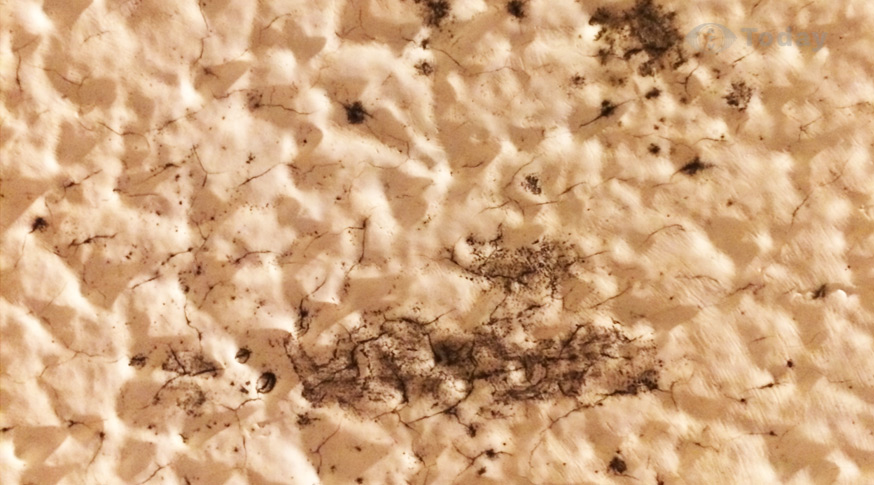
Where things get complicated is when responsibility overlaps. In many cases, mould is caused by a combination of structural issues and daily living habits. For example, poor ventilation combined with high indoor moisture can make it difficult to determine who is at fault. In these situations, professional assessments are often needed to identify the primary cause.
The legal framework also varies across the UK. In England, local authorities enforce standards through the Housing Health and Safety Rating System, with potential fines of up to £30,000 for non-compliance. Scotland operates under the Housing (Scotland) Act 2006, requiring homes to meet a Repairing Standard, while Wales has its own framework under the Renting Homes (Wales) Act 2016, placing clear obligations on landlords to address damp and ensure proper ventilation.
Ultimately, resolving mould issues comes down to cooperation. As Albon notes, prevention and swift action are key. Landlords must maintain properties and act quickly when problems arise, while tenants need to manage ventilation and report issues early.