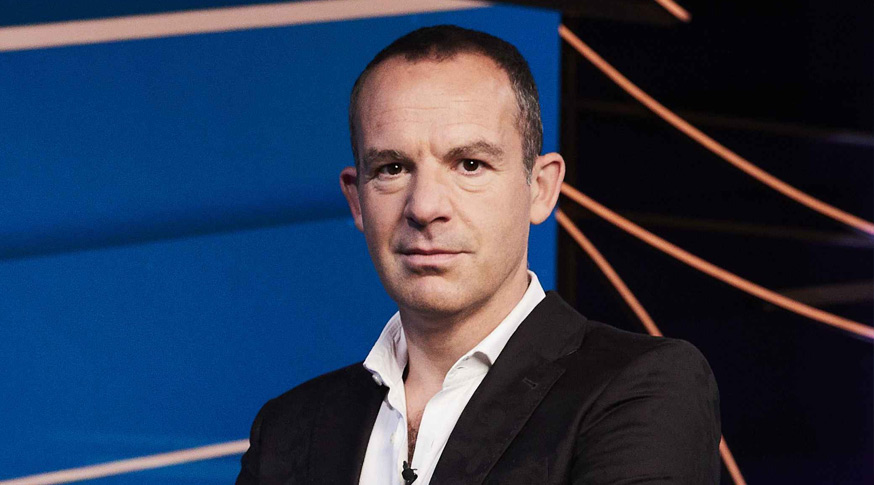
Martin Lewis and Nigel Farrage have been recently featured in fake promotions on social media sites
Martin Lewis has launched a fresh attack on online scam advertising and the pace of regulatory action, accusing politicians and regulators of failing to protect consumers from fraud.
Speaking on ITV’s Good Morning Britain on today (June 9), the Money Saving Expert founder said he was increasingly frustrated by the continued use of his name, image and likeness in fraudulent investment adverts appearing online.
Lewis told viewers that his image featured in 44 per cent of scam advert reports made to Action Fraud involving the unauthorised use of a public figure’s identity, despite the fact he does not endorse financial products.
He said: “I’ve sued Facebook. I’ve got the law changed but it hasn’t been implemented and now politicians need to get off their backside and try and protect the hundreds of thousands of people whose lives are being destroyed on the back of this.”
The comments came during a discussion on online fraud involving Science and Technology Secretary Liz Kendall, with presenters Susanna Reid and Ed Balls questioning the government’s response to the growing problem.
Following the programme, Lewis reiterated his concerns on social media, arguing that while legislation exists within the Online Safety Act, implementation has been slow and meaningful enforcement could still be years away.
Victims Losing Life Savings
The financial and emotional impact of the scams continues to be significant.
Among those affected is Jakub Siwiak, who reportedly lost almost £15,000 after responding to a fake investment advert featuring Lewis. Another victim, Gill Casey, revealed that she and her husband lost their £120,000 life savings after investing through a fraudulent cryptocurrency scheme that used Lewis’s image.
Other victims have reported losses running into tens of thousands of pounds after being persuaded to invest through fake adverts featuring AI-generated videos and deepfakes of Lewis and other high-profile figures.
According to figures cited by Lewis, his likeness was used in 44 per cent of 537 Action Fraud reports relating to identity-based scam adverts during 2024, ahead of Elon Musk, whose image appeared in 40 per cent of cases.
Long Campaign Against Scam Ads
Lewis has spent years campaigning against fraudulent advertising.
In 2018 he launched legal action against Facebook over scam adverts using his name and image. The case was later settled, with the platform introducing a dedicated reporting tool for scam advertisements.
He subsequently campaigned for paid-for fraudulent advertising to be included within the Online Safety Act. However, Lewis argues that enforcement of the legislation remains too slow and that regulators need to act sooner against platforms hosting scam content.
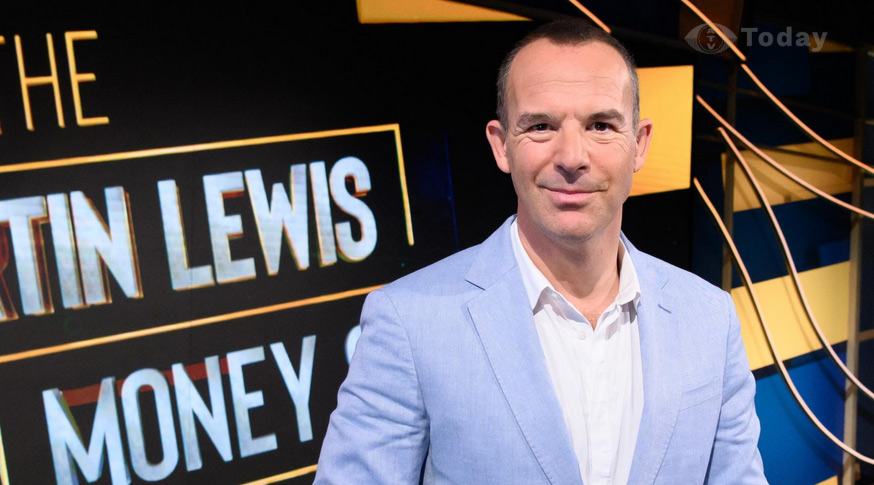
How to Spot Fake Celebrity Endorsements
Digital marketing specialists say many scam adverts share common warning signs.
These include web addresses that imitate trusted organisations, promises of guaranteed investment returns, pressure to act quickly, requests to move conversations onto messaging apps and a lack of authorisation from the UK’s Financial Conduct Authority.
Experts also advise checking the advertiser profile behind social media adverts. While a scam may feature a recognisable celebrity image, the account paying for the advert is often unrelated to the person supposedly endorsing the product.
The warning comes amid growing concern about the increasing use of AI-generated deepfakes, which can convincingly mimic the appearance and voice of public figures to promote fraudulent schemes.
Good Morning Britain airs weekdays from 6am on ITV1 and STV, stream on ITVX and STV Player.