
The BBC has confirmed the first phase of a sweeping cost‑saving plan under new director‑general Matt Brittin
The corporation has said it will cut about 550 jobs across its News, Nations and Content divisions and slash programmes to deliver roughly £160 million of savings this financial year.
This is part of a wider £500m target over three years. Brittin warned staff that “reductions of this scale…will mean some compulsory redundancies” though voluntary buy‑outs will be offered. He also noted that corporate services will face cuts: around 700 staff in back‑office roles are expected to go, and at least 10% of senior leaders will be removed.
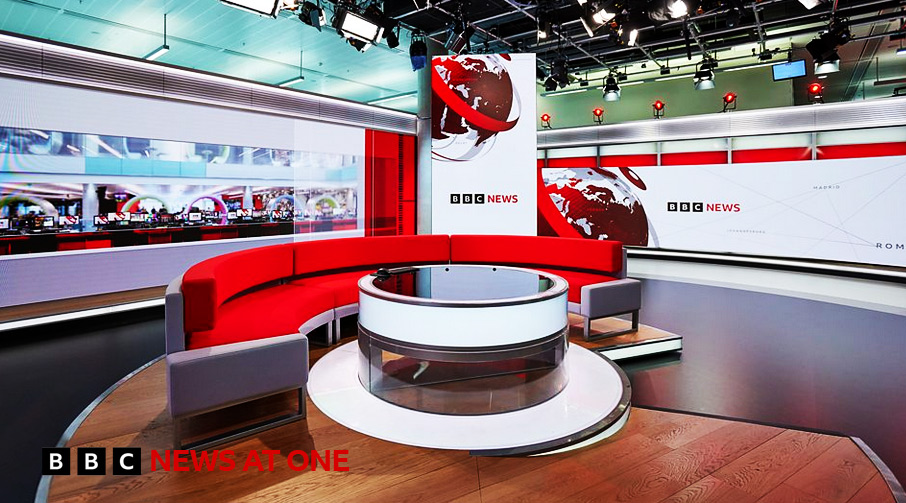
In Brittin’s words, the Beeb will “axe some programmes” and focus resources on content with the “highest audience value and impact,” while making the organization “simpler and faster”.
BBC Content: The Content division must deliver roughly £100m in recurring savings by 2027/28. Brittin said the BBC will review its entire portfolio of TV channels and radio networks “as audiences increasingly migrate online”, and cut commissioning budgets by about £80m by 2027/28.
This implies fewer new programmes on some outlets and a sharper focus on high-impact shows. About 100 roles in Content are to go by year end, with further cuts to output hours (both TV and radio) planned, even as key flagship series and news bulletins are protected.
BBC Nations (Scotland, Wales, N.I. and local): The BBC expects to save roughly £33m in the Nations division by 2027/28, cutting around 250 posts in this phase. This covers the combined regional news and current‑affairs operations – for example, some 50 roles each in Wales and Northern Ireland, about 60 in Scotland, and around 90 in local radio.
The cuts will reduce local and national news output, with some programmes scaled back or shared between nations.

BBC News: The News division is set to make about £25m of savings and lose roughly 200 roles in this first round. Management says this involves closing or merging some news programmes and presenter roles – for instance, consolidating teams across bulletins and reducing overlap between channels – to save costs. The Beeb also noted that News will need to find £51m more in savings by next April, with further announcements on job cuts and programme changes expected in the coming months.
Corporate & Management: Outside those divisions, Brittin said ~700 corporate jobs will go in due course. He plans to cut at least 10% of senior leadership positions to streamline decision-making.
Guiding Principles: Brittin outlined three key principles for these cuts: prioritize output with the highest audience “value and impact”; “meet audiences where they are” (i.e. on digital platforms); and make the BBC “simpler and faster” by cutting duplication. In practice, this means focusing spending on flagship TV and radio services with broad reach, while trimming lower‑value or niche offerings.
These measures underscore a shift towards the BBC’s core public‑service offerings. Brittin explicitly said he will review “our broadcast TV channels and radio network” portfolio in response to falling linear audiences.
In effect, the BBC appears to be doubling down on big‑audience staples (BBC One, Two, the News channel, major radio stations) and cutting back on less‑watched niche outlets.

Brittin’s plans continue a corporation ‘digital first’ strategy: all extra, digital‑only or underperforming services are likely on the table to be internet/smart streaming only. As one Guardian report noted, “the vast majority of the BBC’s spending is focused on its traditional broadcast television and radio channels while audiences are shifting online”. Brittin’s team says cuts will be guided by audience impact, but unions warn that slashing the budget at a time of license‑fee freezes will hurt the BBC’s mission.
Financial pressures explain the timing. The corporation must save £500m by 2029 as its Royal Charter renewal approaches. The government launched the new charter review in Dec 2025 “to futureproof the BBC” in a “rapidly changing media landscape,” explicitly looking at funding options as more and more broadcast consumers turn away from wanting to pay for the licence fee.
Brittin himself pointed out that audiences – especially younger viewers – are increasingly watching streamers and online content instead of Beeb channels.
Meanwhile, the licence fee has been frozen and effectively cut by inflation. One report notes licence revenue is down about 25% in real terms since 2017. In this context, Brittin must negotiate a new funding settlement after 2027, with options including extending the licence, subscriptions or ads.
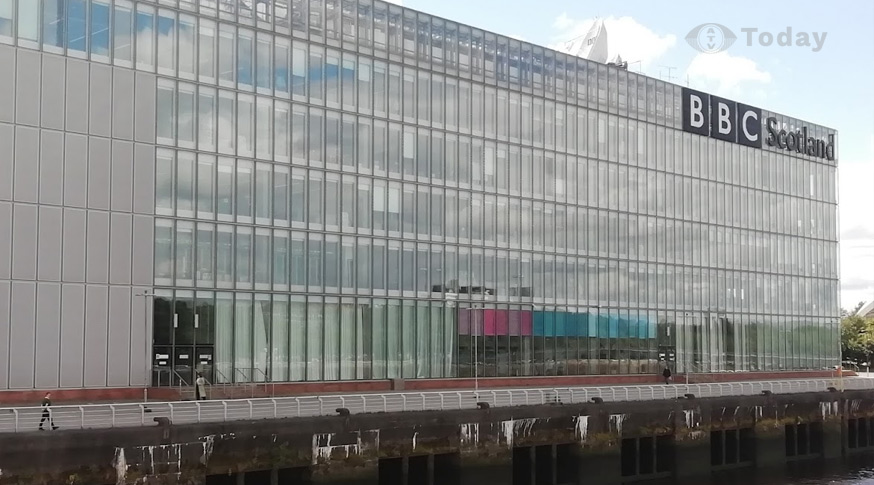
Unions have sounded the alarm. Bectu boss Philippa Childs warned that even expected cuts will be “devastating” for staff and the BBC’s mission.
She noted that ten‑percent cuts on top of dwindling licence income will directly reduce programming and audience service. NUJ leaders similarly urged the BBC not to “retreat from its public service commitments” even as it reshapes for the digital age.
Ofcom’s 2024-25 BBC report likewise urges the corporation to “play to its strengths” – serving core audiences and trusted news – while innovating on new platforms.
In the end, the BBC’s leadership will have to balance deep cost cuts with the need to keep its best‑loved channels and programmes at the centre of a modern public broadcaster.