
A veterinary technical advisor has highlighted the potential dangers of decorations, pumpkin treats and trick-or-treat visitors for dogs and cats
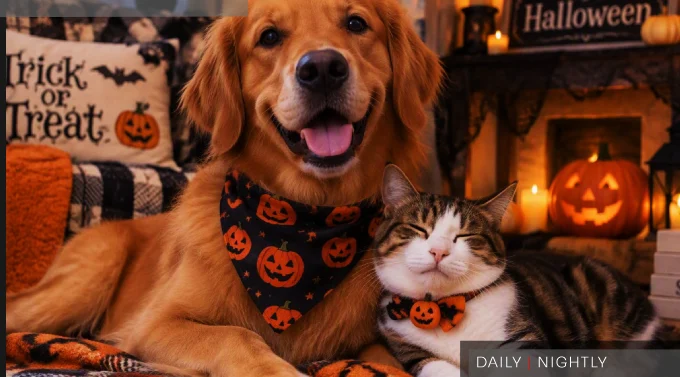
Pet owners are being urged to take extra precautions this Halloween, with a veterinary expert warning that seemingly harmless decorations and seasonal activities can create unexpected hazards for animals.
Samantha Booth, Veterinary Technical Advisor at Protexin, says Halloween can introduce a number of unusual risks around the home, particularly for curious pets that may chew or swallow unfamiliar objects.
Decorations can pose a risk
Fake cobwebs, costume accessories and other small decorative items can become foreign-body hazards for animals that like to chew or eat things they shouldn’t.
Outdoor pumpkins can also present problems, particularly if they contain candles or metal tealights which could cause serious injuries if a dog attempts to chew or swallow them.
Is pumpkin safe for dogs?
Although pumpkin can be a useful source of fibre for dogs, Booth warns that owners should be careful about how much they give their pets.
Introducing large amounts of fibre suddenly can cause digestive problems, including excess gas and changes to stools.
Owners who want to offer pumpkin should stick to plain flesh rather than pumpkin pie or highly processed products. Cooked pumpkin can also be easier for dogs to eat, while any introduction should be gradual and in moderation.
Preparing pets for trick-or-treaters
Repeated doorbell ringing and unfamiliar visitors can be particularly stressful for dogs and cats.
Booth recommends preparing a quiet, secure space where pets can retreat if they become uncomfortable, ideally using an area they already associate with feeling safe.
Familiar bedding and background music or noise can help reduce the impact of sudden sounds. Owners are also encouraged to introduce the arrangement before Halloween rather than waiting until the evening itself.
Where possible, disabling the doorbell and asking visitors to knock more quietly, or arranging an alternative way to welcome trick-or-treaters, can help reduce anxiety.
Booth says calming support may also be considered ahead of particularly stressful periods, citing Protexin’s SereniCare product, which is designed to support emotional balance, normal behaviour and gut health in dogs and cats.
Recognising signs of stress
Owners are also being encouraged to look out for less obvious signs that their pets may be struggling.
In cats, these can include hiding, avoiding eye contact, overgrooming, drooling, increased vocalisation and changes in appetite. A flicking or twitching tail may also indicate that a cat is becoming uncomfortable.
More pronounced signs can include hissing, scratching or toileting outside their usual area.
Dogs may show signs of anxiety by lowering or tucking their tails, repeatedly licking their lips, avoiding interaction, moving away from people or looking for somewhere to hide.
Booth advises owners to respond as soon as they notice these behaviours, rather than encouraging animals to remain in situations that make them uncomfortable.
Allowing pets to move away and providing somewhere quiet and secure can help prevent their distress from escalating.