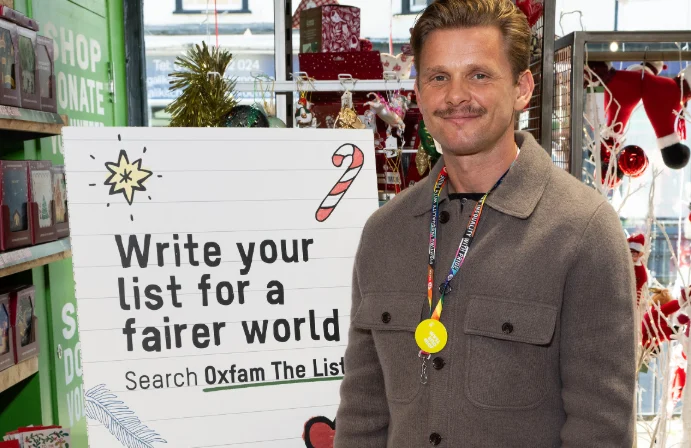
A survey finds that family happiness, an end to conflict and no child going hungry top the nation’s festive hopes – although a lottery win and a good night’s sleep remain popular too
Britons are putting family, kindness and the wellbeing of others ahead of material gifts this Christmas, according to new research commissioned by Oxfam.
A nationwide poll of 2,000 people found that the most popular Christmas wish was for family and friends to be happy and healthy, chosen by 42%. An end to conflict around the world and never having to worry about money again were joint second at 36%, followed by the hope that no child would ever go without food (34%).
Other priorities included lower living costs (33%), a safe and warm home for everyone (32%), happy futures for children (31%) and an end to poverty (30%). Three in ten also wished for every older person to have someone to spend Christmas with, while 29% wanted people to be kinder.
There is still room for a little festive wishful thinking, however. More than a quarter (27%) would like to win the lottery, while 19% dream of always waking up refreshed and 16% want eight hours of uninterrupted sleep. A further 18% wish their pets could live forever, while 13% would like to look ten years younger.
One of the more poignant findings was that 28% would exchange the presents under the tree for one more Christmas with someone they have lost.
The research also found that 38% of people have a Christmas wish that money cannot buy, while 40% would use a magical wish on someone they love rather than themselves. Giving presents brings more joy than receiving them for 49% of respondents, compared with just 4% who said the reverse. Spending time with family was the biggest source of festive happiness, cited by 79%.
The findings accompany Oxfam’s alternative Christmas list campaign, encouraging people to ask for gifts that support the charity’s work tackling poverty and inequality. Suggestions include pre-loved books and records, ethical gifts from Oxfam shops or donations made in someone’s name.
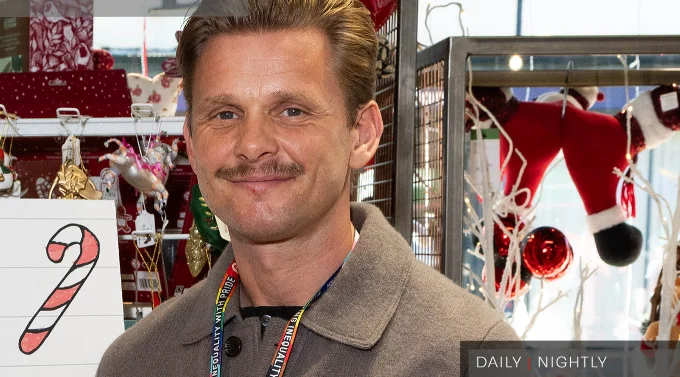
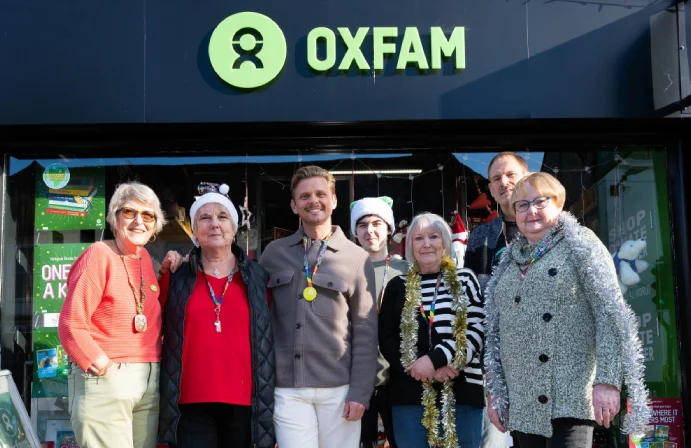
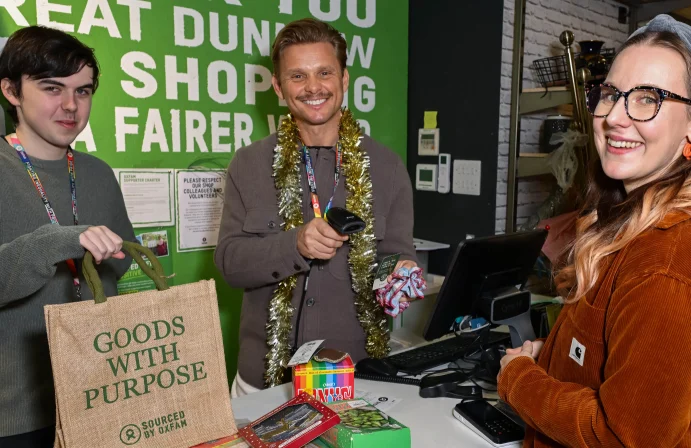
The campaign is backed by TV presenter Jeff Brazier, who recently volunteered at Oxfam’s shop in Great Dunmow, helping sort donations, serve customers and work on the till as part of the charity’s ‘Give a Shift’ initiative.
“I loved spending the morning with the team at Oxfam in Great Dunmow. I helped sort through the donations, and they put me through my paces on the till and shop floor.
“Spending time alongside the volunteers, you get a sense of how much goes into running the shop and how much being part of the local community means to them. It’s a busy time of year and it was good fun lending a hand. If you’ve got a few hours to spare this Christmas, why not ‘Give a Shift’ at your local Oxfam shop?” – Jeff Brazier
The survey also suggests attitudes towards presents are changing. Almost half (44%) would happily receive a pre-loved gift, while 16% plan to buy only second-hand presents this Christmas. More than seven in ten (71%) said a gift would mean more if they knew it had helped someone else or benefited the planet.
Oxfam Communications Director Nadiya Salaam said: “What struck us about this research is who we’re making wishes for. The most popular wish was for our own families to be happy and healthy, but people also wished for an end to conflict, for every child to have enough to eat and for everyone to have somewhere safe to call home.”
She added that the findings offered hope, given that nearly half the world’s population still lives in poverty, and encouraged people to consider gifts that could help create a fairer world.
For all the talk of presents and Christmas lists, the message from the research is that time with loved ones and a little more kindness matter most – even if a lottery win would still be welcome.
Oxfam’s alternative Christmas list and campaign details are available through the charity’s website.