
Kevin McCloud, Damion Burrows and Natasha Huq explore the contenders for the 2026 title in a four-part Channel 4 series
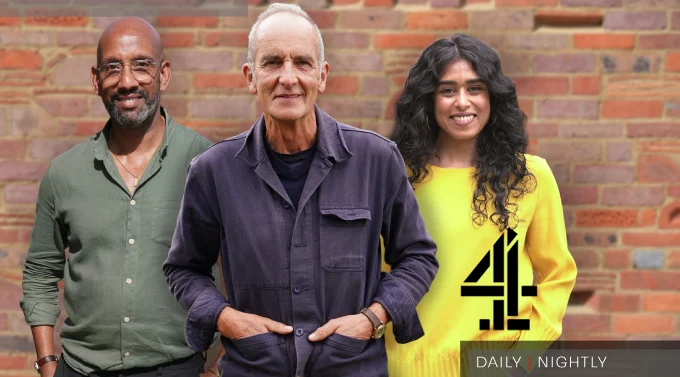
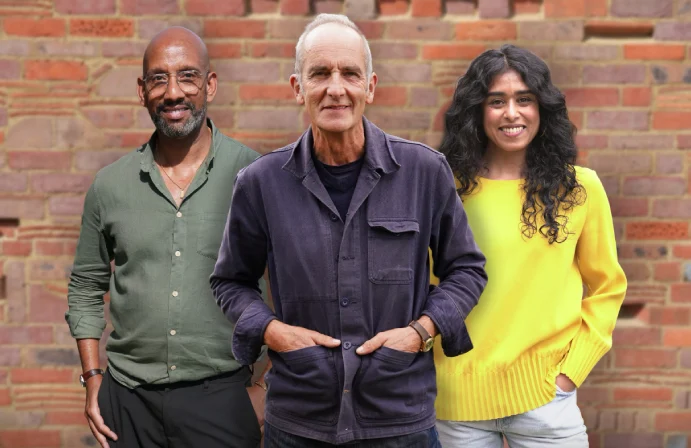
Grand Designs: House of the Year returns to Channel 4 on Wednesday 2 December, with Kevin McCloud joined by architects Damion Burrows and Natasha Huq to explore 21 outstanding homes competing for the Royal Institute of British Architects’ (RIBA) House of the Year 2026 award.
The ninth series comprises four 60-minute episodes. Each explores a different architectural theme, with homeowners and architects discussing the inspiration, design decisions and challenges behind their projects. At the end of each programme, the homes progressing to the shortlist will be revealed, ahead of the announcement of the overall winner in the final episode.
The opening episode, Houses at the Cutting Edge, examines visionary designs rethinking how we might live and build. Featured properties include House on a Hill, a rooftop apartment above a former Victorian warehouse in central London; Foxglove House in the Chilterns, an accessible and low-carbon forever home; and a Wiltshire property built using rammed earth sourced from its own site. Also featured are Tollymore, a riverside home built into a steep riverbank in Northern Ireland, and River House, a light-filled property overlooking the River Test in Hampshire.
Episode two, Houses that Overcame Adversity, focuses on projects that have transformed challenging sites and existing buildings. These include Arbour House in north London, built on a neglected backland site; the restoration of a Grade II-listed farmhouse and barns in Warwickshire; and Hempcrete Mewshouse, an energy-efficient townhouse on a former garage site in east London. The other contenders are Jazz House in Hereford and Long Barn in Hertfordshire, a sustainable home designed to support independent living in later life.
Houses that Celebrate Craft is the focus of episode three, showcasing traditional skills, carefully chosen materials and the work of architects and craftspeople. The six properties include Stable House in the Cotswolds, a self-build on a former stable site; Garden House in the Lincolnshire Wolds; and Clay Rise, a multi-generational home in rural West Sussex. Also featured are Reciprocal House in north London, the restoration of an historic farmstead at The Limeworks in Northumberland, and Mono House, a contemporary rural home in the same county.
The final episode, Houses that Don’t Waste a Thing, explores projects that reuse buildings and materials while reducing their environmental impact. The contenders include Ridgeway House in Oxfordshire, which combines a 19th-century brick barn and an existing farmhouse; Pantybara, a traditional Welsh farmstead revived as a contemporary family home; and House in a Barn, an agricultural building repurposed into a sustainable home. Market House, near Borough Market in central London, and South Downs House in East Sussex, which makes use of locally sourced and reclaimed materials, complete the line-up.
McCloud said: “This year’s crop of entries is as intriguing and diverse as ever. I love the fact that so many of the houses represent the more affordable end of architectural home-building. Some are tiny; some are uncompromisingly of the future; others ingeniously take sustainability and zero carbon beyond our normal understanding; a few are very eccentric.”
He added that the series not only offers viewers the chance to look inside other people’s homes, but also showcases standards of craftsmanship and ideas that could be adopted more widely.
Grand Designs: House of the Year returns on Wednesday 2 December at 8pm on Channel 4.