
The former That’s Life! and Boom Radio presenter has spoken this week to ITV…
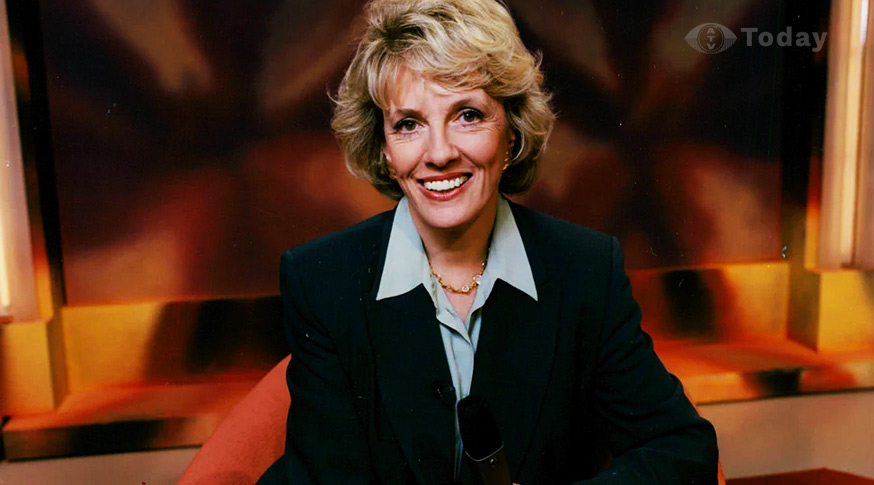
Dame Esther Rantzen has said she wishes her family could travel with her to Dignitas so they could “see that I have a good death”, as she confirmed she is “making arrangements” to travel alone to Switzerland to end her life.
The long-time broadcaster and Childline founder, who is terminally ill with cancer, made the remarks in an interview broadcast on ITV’s Good Morning Britain yesterday as peers in the House of Lords debated the Terminally Ill Adults (End of Life) Bill.
Rantzen, 85, first revealed in December 2023 that she had registered with the Swiss clinic and said then she might go if treatment proved futile. Her renewed comments come at a fraught moment in the UK’s parliamentary debate over whether people with terminal illnesses should be permitted to receive medical assistance to die on home soil — a legal change she and other campaigners argue would spare many the indignity of travelling abroad in their final days.

“I’m making arrangements because it’s the only way I can have an assisted death, to go by myself to Zurich, to Dignitas,” she told presenters. “I just wish that I was allowed to say goodbye to my family and for them to see that I have a good death.” Rantzen described her dread not of death itself but of “dying badly” — pain and protracted suffering she fears more than the end itself.
Her decision highlights one of the central legal and emotional dilemmas at the heart of the debate: under current UK law those who assist a loved one to travel to Dignitas risk prosecution, meaning many who accompany dying relatives do so alone and in fear of legal consequences. Rantzen has been an outspoken advocate for assisted-dying reform and has described the present legal position as “cruel”.
During Friday’s Lords debate, Labour peer Lord Falconer — who is guiding the Bill through the upper chamber — echoed that reality. He told peers that some terminally ill people “seek to evade the law, and therefore evade the protections”, adding that those who wish to determine the timing of their death can do so only by acting alone, or by travelling to clinics abroad without the support of friends and family. Falconer argued that a carefully drafted domestic law could give people choice and dignity while providing safeguards.
Supporters of reform say the Bill is about preserving autonomy and preventing desperate attempts to circumvent the law; opponents warn of potential risks to vulnerable people and stress the need for robust protections. The Lords debate has exposed those tensions, with emotive testimony from campaigners on both sides and repeated references to frightening cases where loved ones have felt forced into solitary final journeys.
Rantzen’s public stance carries particular weight because of her profile and long record of campaigning on social causes.
As the founder of Childline and a familiar face of British broadcasting, notably on BBC One’s consumer programmes Braden’s Week and That’s Life!, she has used her platform for decades to press for change; now, as she approaches the end of her own life, her appeal to legislators is stark and personal. “Please, House of Lords,” she said in plea to peers, “give us terminally ill patients the hope, the confidence, the choice that if life gets unbearable, they can ask for help.”
Good Morning Britain, from 6am weekdays on ITV1 and STV.
