
Good Morning Britain exchange turns tense as questions over platforming, accountability and “telling his side” spark backlash
A heated on-air discussion took place on Good Morning Britain as Ed Balls confronted the publicist of disgraced former newsreader Huw Edwards, following the broadcast of a new TV drama charting his downfall.
Appearing alongside Susanna Reid, Balls challenged Barry Tomes during a tense interview, bluntly questioning his role representing Edwards and the rationale behind giving him a platform to “tell his side of the story”.
The exchange came just hours after Channel 5 aired Power: The Downfall of Huw Edwards, a dramatisation of the scandal that led to Edwards’ conviction in 2024 for creating indecent images of children.
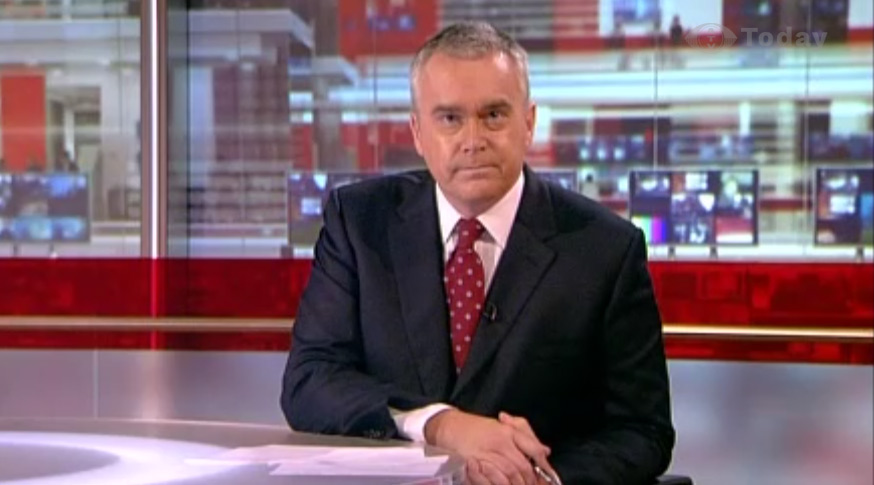
“The problem is, he is a paedophile and you are his publicist, which means that you’re a publicist for a paedophile. I mean it was worse than that, and then he goes on to use his mental illness as a excuse. He goes on to say he hopes that will explain how he behaved.” – Ed Balls on GMB
Tomes told the programme Edwards had expressed a desire to speak publicly about the case, but suggested the timing had been accelerated by the drama’s release. He argued that understanding “why this happened” was an important part of the wider conversation, while acknowledging discomfort with the programme itself.
Reid pushed back on the line of argument, questioning what further explanation was needed given the established facts of the case. Tomes insisted he was not seeking to promote Edwards, but to explore underlying causes — adding that while mental illness is “not an excuse for criminality”, it could offer context for behaviour.
The discussion escalated when Balls directly challenged Tomes’ position, describing the contradiction of acting on behalf of a convicted offender while attempting to reframe the narrative around explanation and accountability.

Elsewhere in the interview, Tomes said he was not being paid for his involvement, claiming he had approached Edwards independently. He also faced questions over whether Edwards should return salary payments received from the BBC between his arrest and resignation — suggesting he personally would not repay the money, citing contractual obligations.
The segment quickly drew strong reactions from viewers, with many taking to social media to criticise the interview as uncomfortable and chaotic, while others argued that difficult conversations about causes and prevention still need to be had.
In a separate statement, Edwards criticised the Channel 5 production, claiming it failed to properly verify elements of its narrative and did not fairly represent events.
ATV Today TV Critic Vivian Summers: “It is ludicrous this man has practically an agent after what he’s done, the arrogance is astonishing. As for having input into the Channel 5 drama, sorry Huw but the criminal doesn’t have a say when the story of the victim is being told.”
The controversy highlights the ongoing sensitivity surrounding the case — and the broader debate over how media platforms handle stories involving serious criminal convictions, particularly when questions of accountability, explanation and public interest collide.