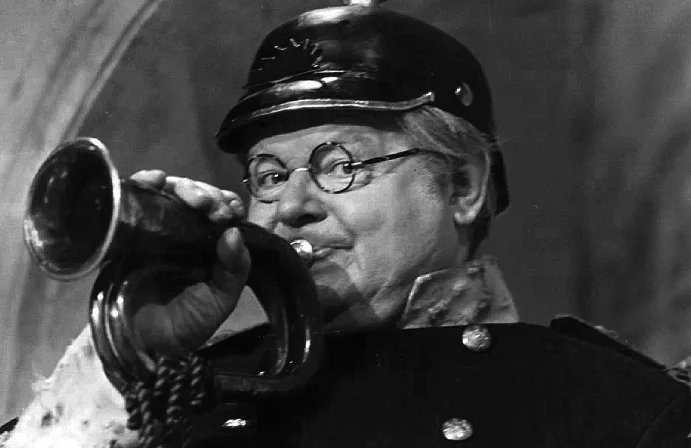
Benny Hill was one of the biggest stars of ITV for decades…
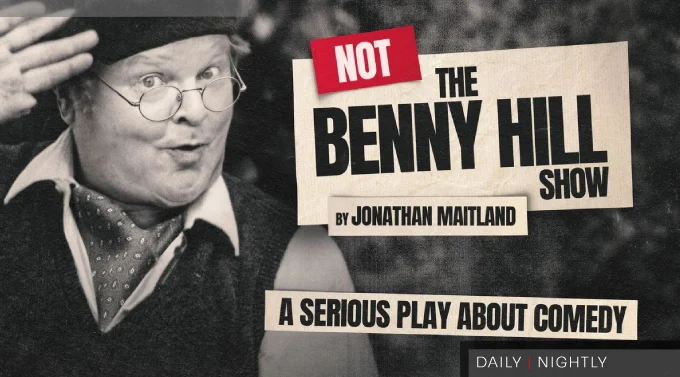
A new dark comedy, Not The Benny Hill Show, examines cancel culture, changing social attitudes and the complicated legacy of one of Britain’s most successful entertainers.
Loosely based on real people and events, the play transports audiences back to 1989 – a year of momentous change, with the Berlin Wall falling, communism retreating across Eastern Europe and Benny Hill still one of the biggest comedy stars in Britain.
Summoned to the office of Thames Television’s Controller of Comedy, Hill expects a warm reception after making the company – and ITV the broadcaster which showed his sketch shows – hundreds of millions of pounds.
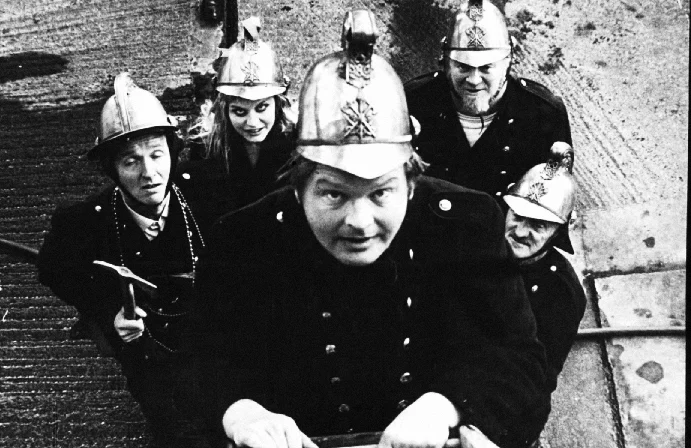
Instead, he finds himself facing an altogether less comfortable meeting. His boss is preparing to fire him, while encounters with Charlotte, a fiercely proud feminist secretary, and Genghis, an angry young comedian, expose the growing divide between Hill’s established style of humour and a world that is rapidly moving on.
But can Benny Hill move with it – and can his legacy survive the judgement of a new generation?
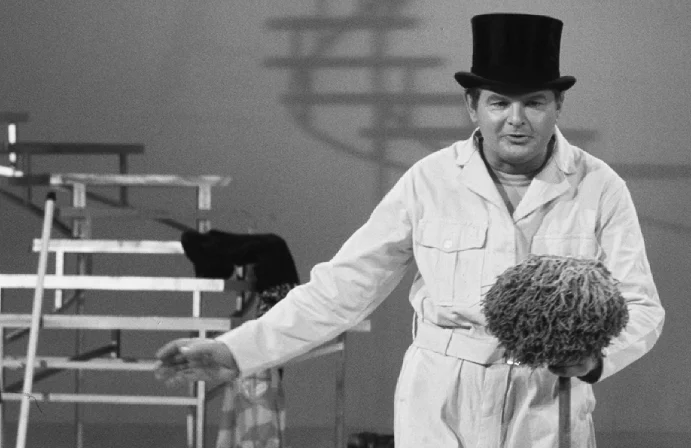
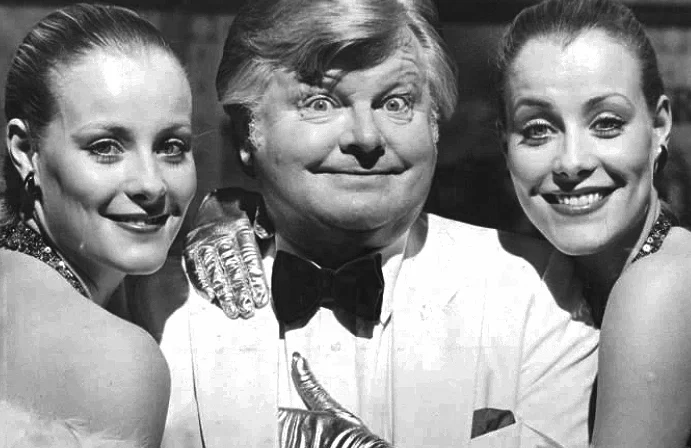
Benny Hill (1924–1992) was an English comedian, actor, writer and musician who made his television debut in 1949. The Benny Hill Show first appeared in 1955 on the BBC and ran for more than 30 years between the BBC and ITV, becoming one of the UK’s most watched programmes at its peak.
The variety show, built around Hill’s distinctive blend of mime, parody and slapstick, was exported to more than 100 countries. It won BAFTAs and a Rose d’Or, and received an Emmy nomination. Hill also attracted an impressive list of celebrity admirers, including Michael Jackson, Mike Myers and rappers Busta Rhymes and Snoop Dogg.
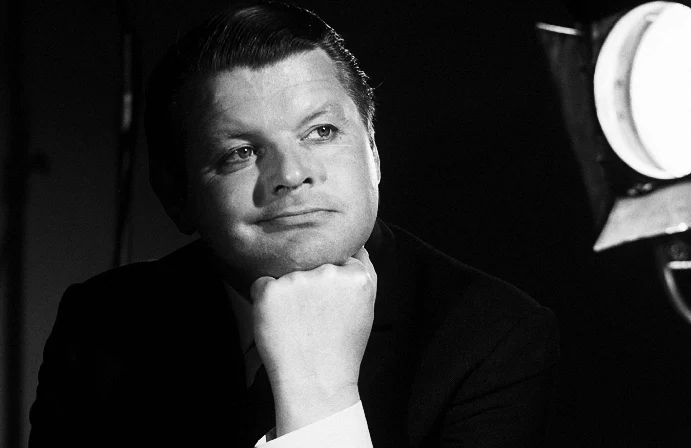
Despite its international success, the programme’s style increasingly came under fire. The emergence of alternative comedy brought a new generation of performers and writers who challenged the conventions of mainstream television humour, with Ben Elton among those publicly criticising Hill.
In 1989, Thames Television cancelled the show, citing declining ratings and rising production costs. In the years since Hill’s death, his work has faced further scrutiny, with critics questioning its attitudes towards women and its treatment of other subjects.
Playwright Jonathan Maitland believes the circumstances surrounding Hill’s departure from television represent something much bigger than the fate of one comedian.
“The play will shed light on a deeply peculiar man, but it isn’t really about him,” he said. “What happened to Benny Hill in 1989 was a turning point and a key moment in our culture.”
Historian Charlotte Lydia Riley, who specialises in twentieth-century Britain at the University of Southampton, places the story within the wider political and social upheavals of the period.
“1989 was a complicated moment in progressive politics,” she said. “A decade of Thatcherism had hollowed out communities, Section 28 had been passed the year before, and the GLC had been abolished in 1986. Despite this, progressive activists – feminists, gay rights activists, anti-racist campaigners – were gaining a foothold, but slowly.
“The establishment was never going to concede power overnight and not all change turned out to be as progressive as claimed. This play captures the reality and messiness of a pivotal year in British political and cultural history.”
Not The Benny Hill Show is written by Jonathan Maitland, a playwright and former journalist whose broadcasting career has included work across BBC Radio 4 and BBC News, as well as presenting and producing programmes for BBC One.
His debut stage play, Dead Sheep, opened at Park Theatre in 2015 and became the venue’s most successful production at the time. Its record was subsequently broken by his second play, An Audience With Jimmy Savile, also staged at Park Theatre in 2015 before transferring to the Edinburgh Festival Fringe.
Other Park Theatre productions include Deny Deny Deny (2016) and The Last Temptation of Boris Johnson (2019), which broke box-office records before embarking on an eight-week national tour in 2020. In 2023, Maitland presented the premiere of The Interview at Park Theatre, alongside his BBC Radio 4 adaptation of Wasps in a Jam Jar.
His play with music, Wilko: Love and Death and Rock ‘n’ Roll, tells the story of Dr. Feelgood co-founder and musical icon Wilko Johnson. Following acclaimed runs at Queen’s Theatre Hornchurch, Southwark Playhouse and Leicester Square Theatre, the production is currently touring the country.
Benny Hill continues to prove popular on stateside television and in recent times has been repeated on That’s TV in the UK.