
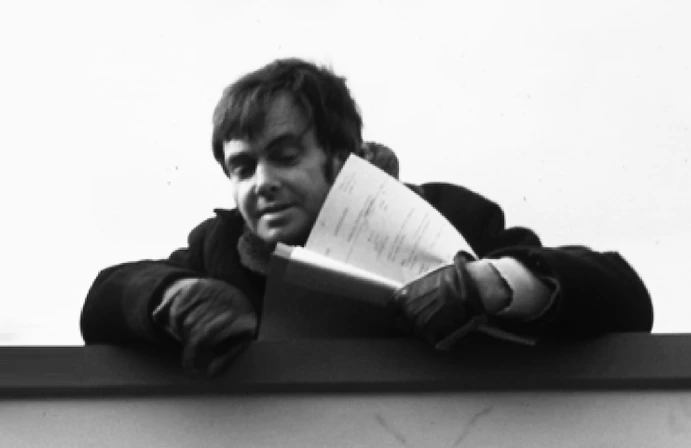
It’s 100 years this week since writer, producer and director Reg Watson was born. In the third feature of the series, we check into ITV’s motel…

Crossroads: A decade with Reg
Reg Watson was about to create one of Britain’s most enduring television serials — a programme that would attract millions of viewers, royal admirers, international audiences and, eventually, a very determined impostor.
In 1964, Reg Watson and Noele Gordon were given some surprising news. They were to be taken off all the productions they had been associated with.
It sounded like a setback. In reality, Sir Lew Grade had something much bigger planned for both of them.
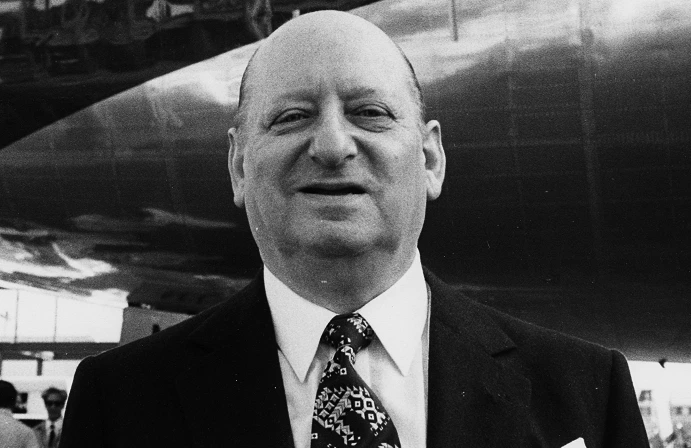
The Soap Opera Experiment: A lesson learned in America
Almost a decade earlier, in 1958, Lew Grade had sent Reg to America to study the daytime television “soap operas” being produced by the major networks in New York and Washington.
Reg observed hugely successful serials including The Guiding Light and As The World Turns.
He returned to Britain with an important conclusion. If a similar format was going to work in Britain, the storylines would need to move considerably faster.
American daytime soaps could afford a slower pace, airing in hour-long slots. British television was operating in a highly competitive prime-time environment with most programmes only 30-minutes.
Reg believed a British daily serial would have to be faster, more immediate and packed with enough story to keep viewers coming back night after night.
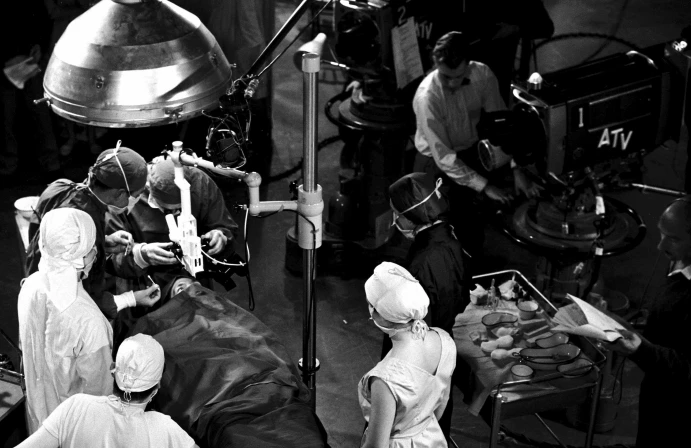
Six years later, Lew Grade decided it was time to put the idea into practice. ATV already had a twice-weekly success with Emergency Ward 10, which Reg had previously worked on in the scripts department, and in December 1960 ITV’s north west company, Granada Television, had launched also twice-weekly urban saga Coronation Street.
Following those TV rating bankers Lew Grade wanted a five-nights-a-week soap opera, produced in Birmingham. And he wanted Reg Watson to produce it.
The central character would be played by Noele Gordon. Reg wasn’t initially enthusiastic.
He had seen the ulcers and nervous breakdowns suffered by American soap producers and knew exactly what he would be taking on. But Lew Grade knew Reg.
He knew that if anyone could make it work, it was him.
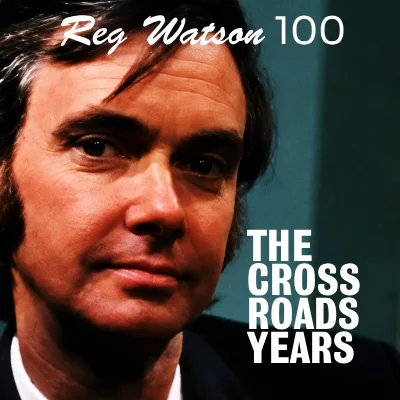
Reg would eventually produce more than 2,000 instalments of the serial and direct a significant number of episodes himself. The programme would become Crossroads.
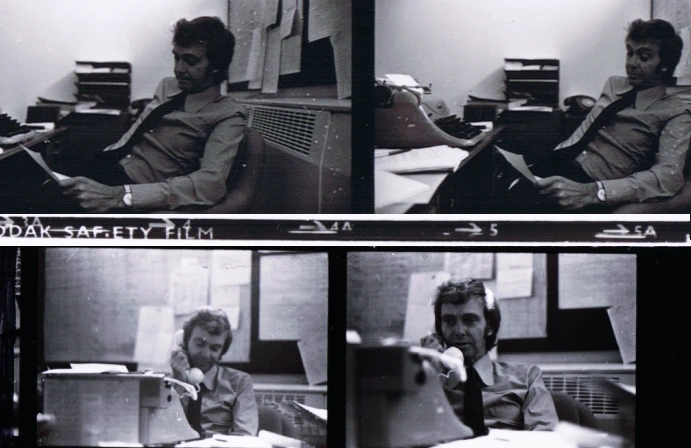
Welcome to Kings Oak: The birth of an institution
The original concept was devised by Peter Ling and Hazel Adair. Reg developed the idea further, helping shape it into the programme that audiences would soon know as Crossroads.
At its heart was Meg Richardson, played by Noele Gordon. Meg was a widow running a motel while raising her two children.
The serial would explore the lives of the motel’s staff and guests, as well as the wider community of the fictional village of Kings Oak.
It was an intentionally accessible setting. There were no distant palaces or glamorous film stars.
Instead, viewers were invited into the everyday lives of familiar people and encouraged to follow their triumphs, problems, romances and dramas.
And they did. In huge numbers.
The UK’s first attempt at the American style soap opera format was an instant hit and regularly attracted audiences of around 14.5 million viewers and, despite being shown at different times and days across the ITV network, at its peak commanded 18 million viewers – a rarity in the late afternoon schedules.
But there was a problem. The critics hated it.
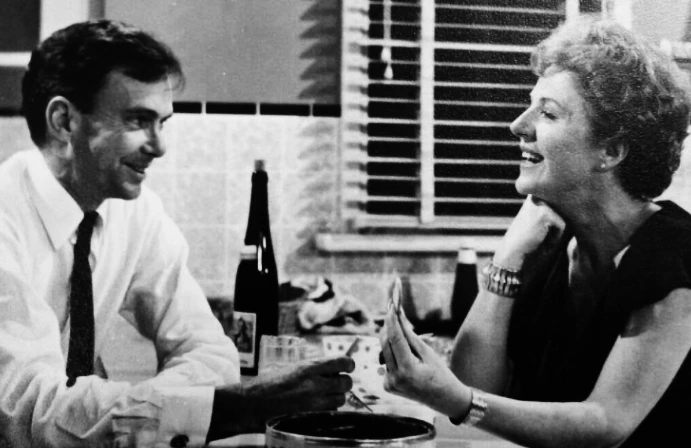
Reg Watson understood what the critics didn’t
From its earliest days, Crossroads was frequently criticised by reviewers who dismissed the programme as “bland”.
Reg took a different view. He wasn’t trying to make highbrow television. He was trying to entertain people.
His philosophy was straightforward: if audiences wanted hard-hitting investigations into drug abuse and other serious social issues, there were documentary makers who could tackle those subjects.
But that didn’t mean Crossroads avoided serious issues. Far from it. The serial tackled subjects including sexual assault and the consequences of disability.
One particularly significant storyline involved young Sandy Richardson, played by Roger Tonge, who became paralysed.
Reg chose to tackle the storyline because the programme could explore Sandy’s struggle to come to terms with his disability and ultimately deliver a positive message.
That was one of the strengths of the format.
The audience could become emotionally invested in characters they had come to know over hundreds of episodes.
Kings Oak might have been fictional. But its residents could feel remarkably real.
Taking the motel beyond Birmingham
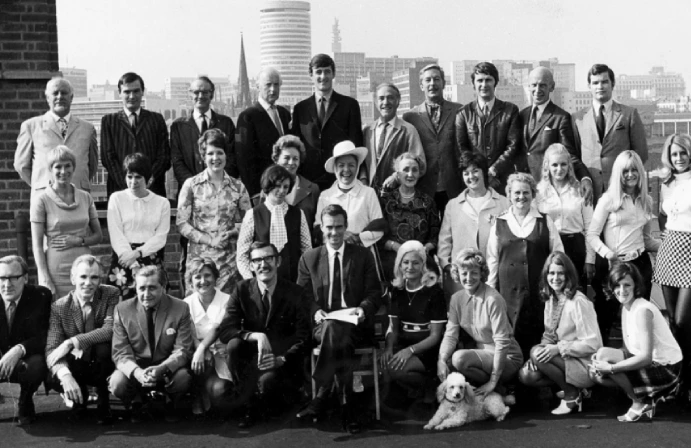
For all its reputation as a home-grown British soap, Crossroads wasn’t afraid to travel.
The programme broke new ground by filming episodes overseas in France, Spain and Tunisia.
The 1967 Tunisian production was particularly ambitious.
The required footage was filmed with both sound and vision and then sent from North Africa every three days to Birmingham for processing.
The material would subsequently be inserted into the programme.
For a television production operating on a relentless schedule, this was no small logistical achievement.
But Reg was used to solving problems.
After all, this was the man who had spent years making live television work with minutes — sometimes seconds — to spare.
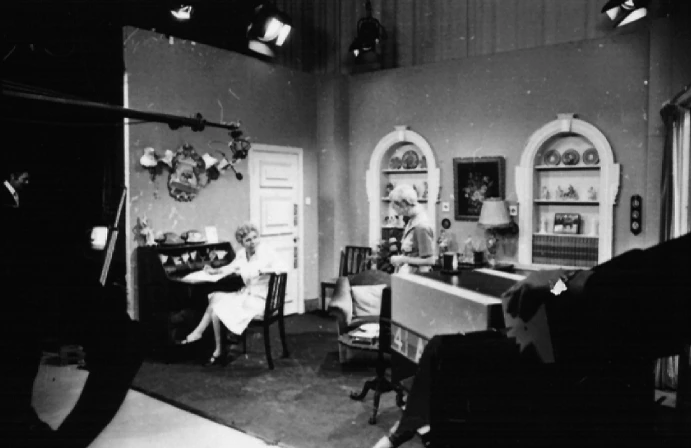
Six months that changed everything
In 1968, Crossroads faced its biggest crisis. The company Rediffusion London, previously known as Associated-Rediffusion, was replaced by Thames Television who decided that the London region no longer needed the programme.
The rest of the country disagreed. Thames Television bosses dropped Crossroads from its schedule anyway.
The series remained off-air in London for six months. Then came an extraordinary intervention.
Mary Wilson, wife of Prime Minister Harold Wilson, complained directly to the head of the Independent Television Authority at a high-profile function.
The story made the newspapers.
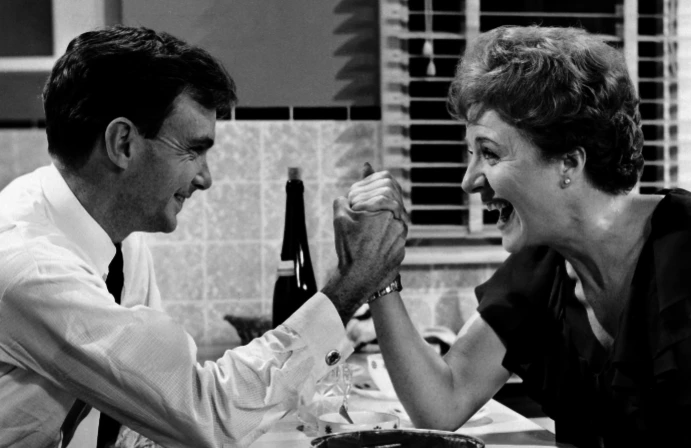
One headline summed up the situation: “PM’s wife demands her favourite programme back.”
The pressure worked. The lives of the residents of Kings Oak was reinstated on the ITV London schedule, although the region would remain six months behind until 1975!
Thames would later realise the value of the saga.
When London Weekend Television had its weekend ITV hours extended from 7pm on a Friday to 5.15pm LWT thought their ratings luck would be in. The Friday episode of Crossroads now fell under its output.
However, Thames wasn’t going to lose the advertising revenue and changed their schedule to air (the then broadcasting four-times-a-week) Crossroads to Monday to Thursday to make sure they got the ratings boon rather than their weekend London ITV rival.
The programme that refused to stay away
The London comeback began with a special fifteen-minute programme produced by Reg.
Called Crossroads Returns, it featured Noele Gordon introducing scenes from the last episode of the serial to have been broadcast in London — way back in July ’68.
It was a chance for viewers to reconnect with their favourite characters. They didn’t need much persuading.
Crossroads immediately returned to the top ten highest-rating programmes.
Noele Gordon’s portrayal of Meg Richardson had become one of the most recognisable performances on British television.
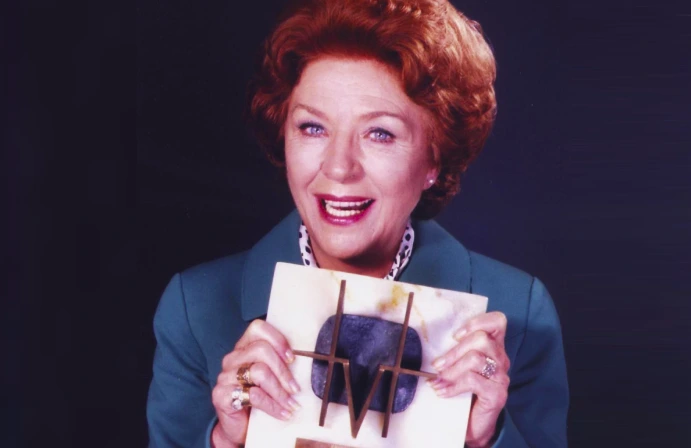
She was invited to 10 Downing Street for afternoon tea and won countless TV Times Awards, newspaper gongs and other popular titles including ‘Hairdo of the Year 1974’. In 1975 she was given a special gold TVT Award to mark the unprecedented number of gongs she’d won, all voted for by ITV viewers.
In fact, she won so many TV Times Awards – over ten – that in 1978 ITV eventually banned her from being nominated again, allowing other personalities a chance to win.
Instead, Noele became the first person inducted into the TV Times Hall of Fame. Her association with Crossroads had made her one of television’s biggest personalities.
The show itself also picked up awards including ITV Programme of the Year (1966 and 1967 TV Times/TV World magazine), Top ITV Programme 1974 by Telegraph readers and ITV Programme of the Year (1973, 1974 and 1975) by readers of The Sun.
When Kings Oak reached the Palace
If the critics remained unimpressed, the programme had certainly won over some very important viewers. Diana, Princess of Wales was a huge fan, when her friends were interviewed in 1981 ahead of her wedding to the then Prince Charles they all noted that Crossroads was Di’s favourite show. In 1985 she also sent a personal message to Noele’s agent Michael Summerton saying how sad she was Noele had died. Later in the 80s Diana met Susan Hanson at an event and knew more about the character of Diane Hunter than she could remember!
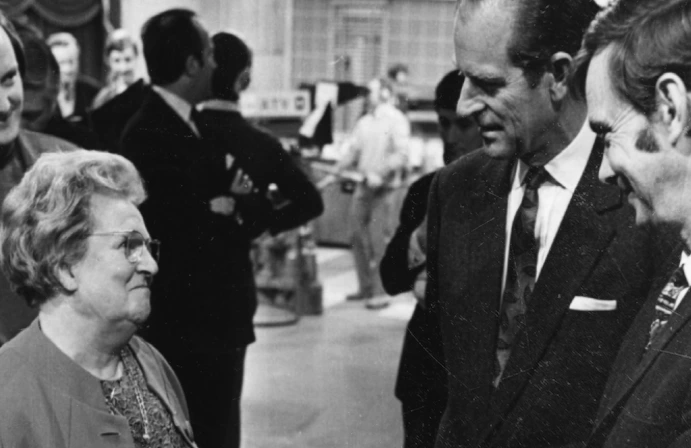
The Queen Mother was a huge fan of Crossroads and specifically asked to meet Noele Gordon at an Ideal Homes Exhibition. In 1970, Prince Philip visited the Birmingham Studio.
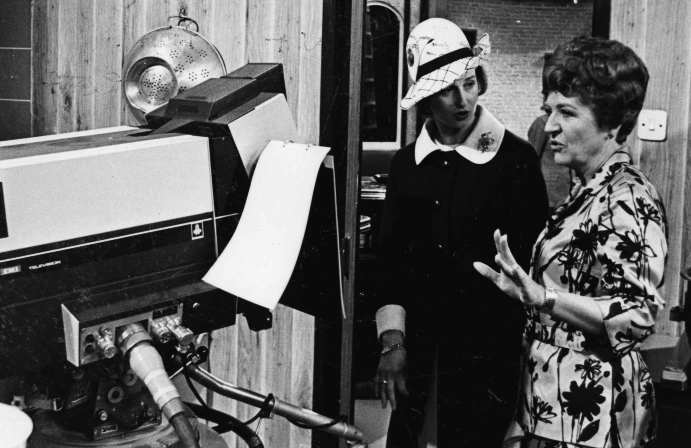
Earlier that same year, Princess Alexandra had watched a scene being rehearsed when she opened ATV’s new colour studios.
At the time, the studios were regarded as the most advanced in Europe. For a programme that critics had spent years dismissing, Crossroads had achieved something remarkable.
It had become part of the national conversation. These days all the drama serials, Coronation Street, Emmerdale and so forth are branded ‘soaps’, but they are not and never were soaps.
Crossroads was the only one to use the stateside format – and to date still is in the UK. However critics began comparing the then twice-weeklies to Crossroads which made 5 episodes a week and the comparissions, as rediculous as they are, were only enhanced when the tabloid papers began calling the twice-weeklies ‘soaps’ too.
As Reg once told a radio programme “It is quite absurd that TV critics compare programmes that make an hour of television a week to Crossroads which makes two-and-a-half hours of television in the same time.”
It does rather seem bizarre that anyone would compare programmes that made eight episodes a month to a one that made twenty episodes a month. For some that stuck and a reputation was born.
However, in 2023 Russell T. Davies decided to rectify the record and created a three-part drama entitled Nolly, which looked at Noele Gordon’s time as an ATV pioneer and then later her years with Crossroads.
A television truce in troubled times
Perhaps the most extraordinary testimony to the programme’s popularity came from Northern Ireland.
The Troubles were raging. Sectarian divisions were deep.
Yet the head of Ulster Television told Reg that the authorities could relax between 6.35pm and 7pm because both Protestants and Catholics would be watching Crossroads.
The programme was the highest-rating show in the province.
And despite featuring a Protestant minister among its characters, it did not alienate any section of society.
For those thirty minutes, millions of people were simply watching the same story. It was an extraordinary achievement for a television serial that had so often been derided by critics.
The show’s success had always been popular on UTV, in the early days Jane Rossington – who played Meg’s daughter Jill – spent a month with the Northern Irish company as a continuity announcer thanks to the popularity of her character with viewers there.
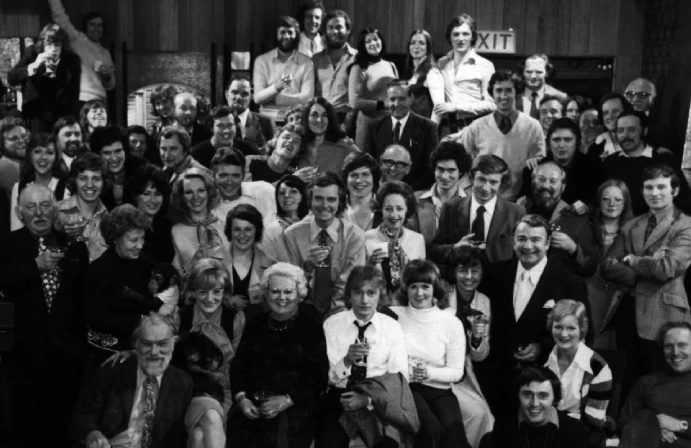
The dangers of becoming famous
The popularity of Crossroads could sometimes take a strange turn. One day, a pair of handmade shoes arrived at the ATV studios.
They were addressed to Reg Watson. There was just one problem. Reg hadn’t ordered them.
He hadn’t even visited the shop.
When he telephoned the retailer, they insisted that he had placed the order. Not long afterwards, a furniture shop called with another query.
This time it concerned an expensive suite of furniture. Again, Reg had supposedly ordered it. The shop was adamant that he had visited the premises and discussed the purchase in detail.
He had even talked to the staff about Amy Turtle and other Crossroads characters. Reg hadn’t done any of this.
Something rather more unusual was going on.
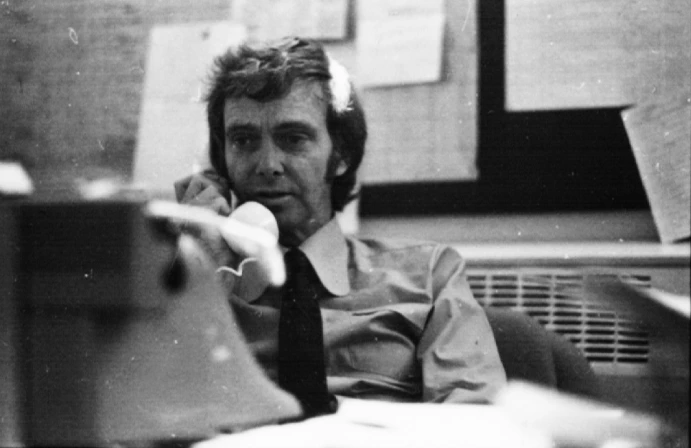
The Imposter
Reg contacted the police. There was a fake Reg Watson on the loose. The police advised him to visit the furniture shop in their presence.
He did so.
The sales staff immediately confirmed that he was not the man who had visited them. As luck would have it, the impostor returned to the shop shortly afterwards.
This time, the quick-thinking sales staff contacted the police. The man was arrested. The explanation was both bizarre and rather sad.
He was a lonely individual and a huge Crossroads fan who had taken on Reg Watson’s identity to fill a void in his own life. The incident would later inspire storylines in the serial.
It also taught everyone involved a valuable lesson about the extraordinary relationship some viewers had developed with television characters — and with the people who created them.
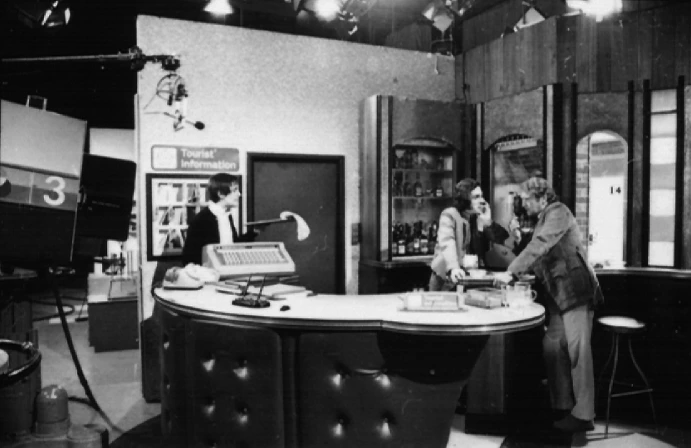
From Birmingham to the world
Crossroads would continue until 1988. Reg left in the Autumn of 1974 for another television adventure.
Reg Watson had produced more than 2,000 instalments and directed many episodes during his ten years with the programme.
What began as Lew Grade’s ambitious plan for a five-night-a-week Birmingham soap opera had become one of the defining programmes of British daytime television.
It had survived critical attacks, scheduling battles and even a six-month disappearance from London screens. Granada Television bosses in Manchester, fearing it could ‘topple’ Coronation Street held off showing it until 1972!
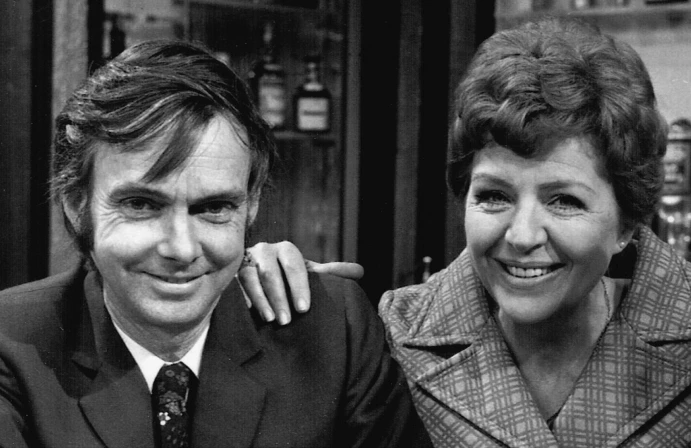
They were right to fear it; across the 1970s the motel saga topped the television ratings with often three or four episodes making the ITV Top Ten weekly ratings chart. But even this became a curse.
The television regulator, which viewed Coronation Street as ‘low brow television’ and had previously officially complained about its ‘quality’ positively found Crossroads utterly uncouth and declared it “distressingly popular” due to it topping the TV ratings and ‘clogging up’ the Top Twenty weekly ratings.
But, perhaps most remarkably, the show had become a shared television experience for people divided by geography, politics and religion.
The programme was eventually exported to numerous overseas territories, including Australia, where it was broadcast by Channel Seven. For Reg Watson, Crossroads represented a remarkable achievement.
But it was not the end of his story. Far from it. After nineteen years in Britain, another chapter was about to begin — one that would take Reg back towards his Australian roots and into another extraordinary era of television.
With thanks to Reg Watson/Darren Gray, ATV Network archive, Noele Gordon Archive Collection, Alan Coleman collection and The National Film and Sound Archive of Australia.
One Reply to “Reg Watson: The man behind Crossroads”
Comments are closed.